


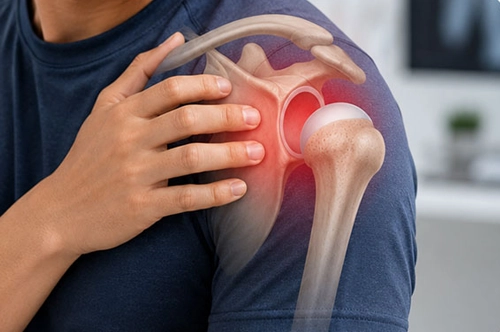
Consult Dr Seng if conservative treatment no longer provides sufficient relief.
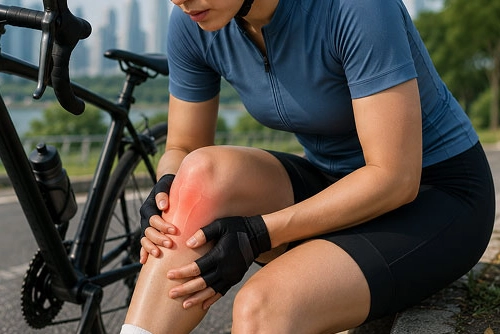
Running often feels routine until something starts to hurt. For many people, that discomfort shows up as a dull ache around the front of the knee, especially during runs, when going downhill or even while climbing stairs. It may start off mild, but over time, the pain can become harder to ignore. Often referred to as runner's knee, this condition is not limited to runners alone. It can affect anyone who places repeated stress on the knee joint, particularly when movement patterns, muscle balance or training load are not well aligned.
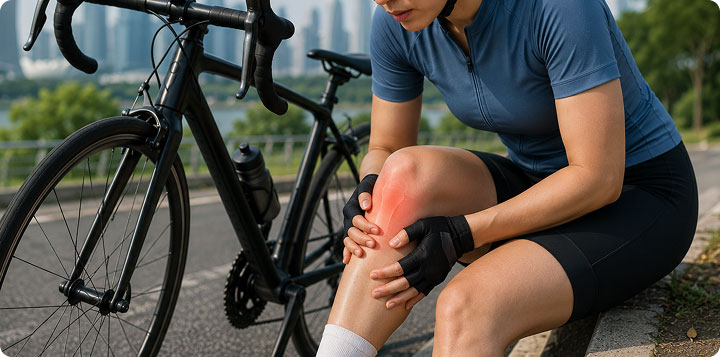
What Is a Runner's Knee?
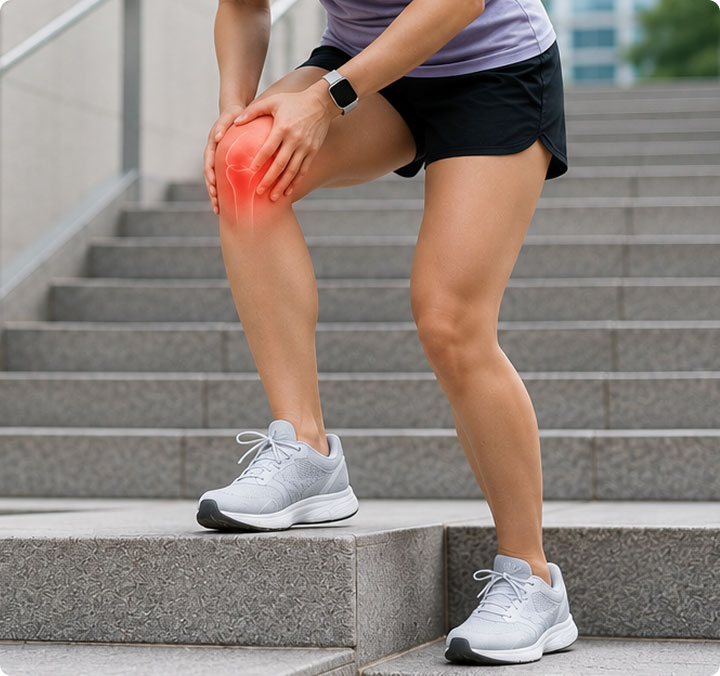
Signs and Symptoms of a Runner's Knee
 Pain around or behind the kneecap, especially during activities such as running, squatting or climbing stairs
Pain after prolonged sitting with the knees bent
Mild swelling around the knee
Popping or grinding sensations when bending or straightening the knee
A sense of the knee feeling weak or less stable during activity
Pain around or behind the kneecap, especially during activities such as running, squatting or climbing stairs
Pain after prolonged sitting with the knees bent
Mild swelling around the knee
Popping or grinding sensations when bending or straightening the knee
A sense of the knee feeling weak or less stable during activity
If this sounds familiar, addressing the issue early can make recovery smoother and help you return to activity. Dr Seng Chusheng can guide you on the next steps to support recovery and prevent further irritation.
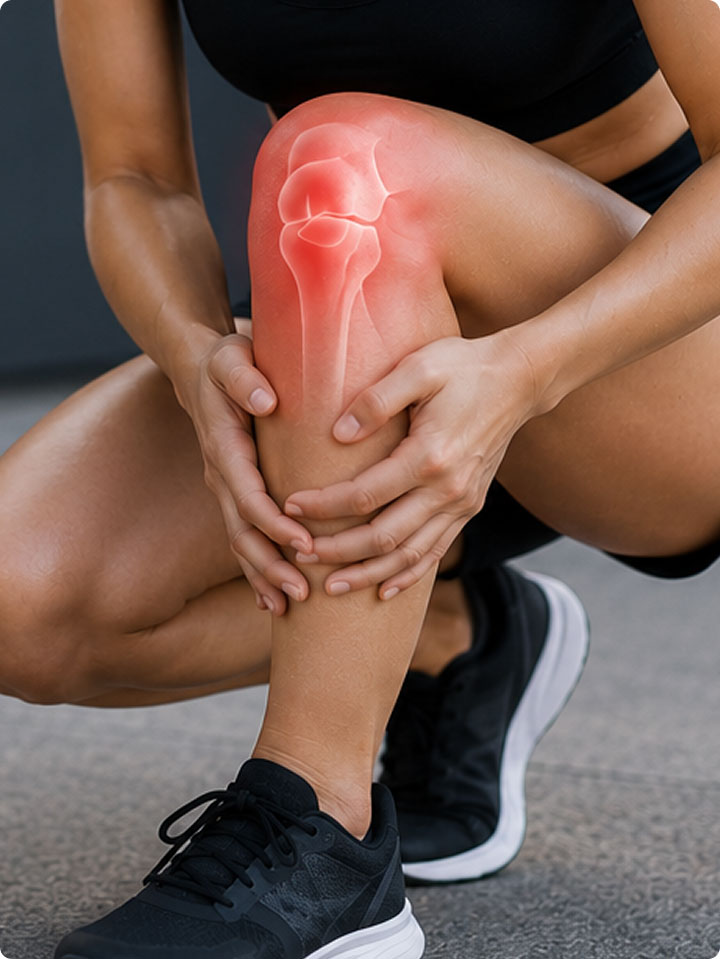
Common Causes of Runner's Knee
-
Overuse
Repetitive activities such as running, squatting or cycling can place sustained load on the knee. Over time, this may lead to irritation around the kneecap, especially if there is insufficient recovery. -
Patellar Tracking Issues
If the kneecap does not move optimally within the joint, it can result in uneven distribution of forces. This increases stress on the surrounding structures and may contribute to pain. -
Muscle Imbalances
Weakness or imbalance in the muscles around the hip and thigh, particularly the quadriceps and hip stabilisers, can affect knee alignment and control during movement. -
Tight Muscles
Tightness in the hamstrings, calves or iliotibial band can alter how forces are transmitted through the knee, placing additional strain on the joint. -
Sudden Increases in Activity Level
A rapid increase in training intensity, duration or frequency can overload the knee before it has time to adapt, increasing the risk of symptoms.
How Is a Runner's Knee Diagnosed?
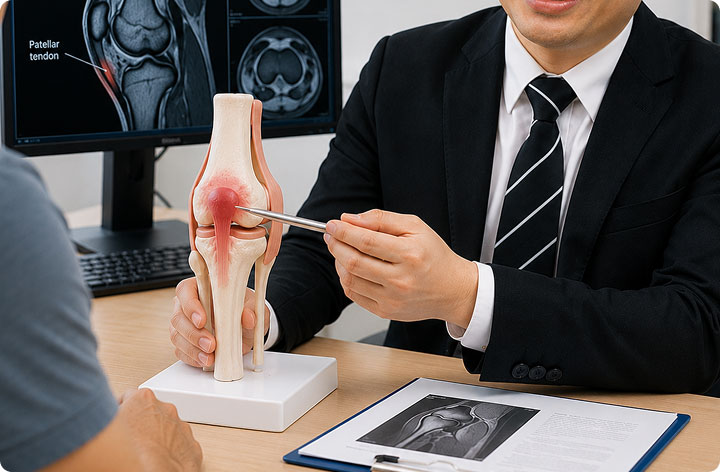
Diagnosing runner's knee involves a combination of clinical assessment and, if needed, imaging to better understand the condition and rule out other causes of knee pain.
Clinical Assessment
The doctor will assess the knee for areas of tenderness, swelling and alignment. Movement of the knee and surrounding joints is evaluated to identify positions that trigger pain, such as squatting or climbing motions. Strength and control of the hip and thigh muscles may also be assessed, as these play an important role in how the knee functions. You may also be asked about your activity levels, training habits and when the pain occurs. This helps identify contributing factors such as overuse or changes in activity intensity.Imaging Tests
Imaging is not always required but may be recommended if symptoms persist or if another condition is suspected.-
X-Rays
Can help rule out bone-related issues, such as fractures or structural abnormalities around the knee. -
MRI Scans
Provide detailed images of the soft tissues, including cartilage and surrounding structures. These may be useful if there is concern about cartilage damage or other internal knee problems.
What Are the Treatment Options for Runner's Knee?
Treatment for runner’s knee focuses on relieving pain, addressing contributing factors and restoring proper knee function. In most cases, conservative (non-surgical) care is effective, with surgery considered only in selected cases where symptoms persist or structural issues are present.
Non-Surgical Option
Non-surgical treatment is typically the first line of care. This often includes modifying activity to reduce stress on the knee, alongside physiotherapy to strengthen the muscles around the hip and thigh and improve movement patterns. Additional measures such as ice therapy, anti-inflammatory medication and targeted stretching may help manage pain and inflammation while supporting recovery.Surgical Options
Surgery is rarely required for runner's knee and is usually considered only when symptoms do not improve with appropriate rehabilitation or when there is an underlying structural problem.-
Arthroscopic Lateral Release
A minimally invasive procedure to release tight structures on the outer side of the kneecap, which may help reduce pressure within the joint in selected cases. -
Realignment (Tibial Tubercle Transfer)
This procedure involves repositioning the attachment of the patellar tendon to improve how the kneecap tracks, reducing abnormal stress on the joint. -
Cartilage Repair or Resurfacing
Techniques are used to repair or restore damaged cartilage, helping to improve joint function and reduce pain. -
Knee Arthroscopy
A minimally invasive procedure that allows the surgeon to examine and treat issues within the knee joint, such as removing damaged tissue or smoothing cartilage surfaces.
If your knee pain is not improving despite rest or physiotherapy, it may be time to look more closely at the underlying cause. Dr Seng Chusheng can assess your condition and recommend the most appropriate treatment approach.
Rehabilitation After Runner's Knee Surgery
Rehabilitation is an important part of recovery after surgery, helping to restore strength, mobility and confidence in the knee. A structured, progressive approach is used to support healing and guide a safe return to daily activities or sports.

Early Stage
In the initial phase, the focus is on managing pain and swelling while protecting the knee. This may involve rest, ice therapy and controlled movement to prevent stiffness without placing excessive strain on the joint.
Physiotherapy and Strengthening
As recovery progresses, targeted exercises are introduced to strengthen key muscle groups, including the quadriceps, glutes and hip stabilisers. Improving strength and control helps support the knee and optimise movement patterns.
Mobility and Functional Training
Rehabilitation then shifts towards restoring range of motion and coordination. Exercises become more functional, gradually reintroducing movements used in daily activities or sport.
Long-Term Maintenance
Ongoing strengthening and conditioning are important to maintain knee stability and reduce the risk of recurring symptoms. Consistency with exercise and proper movement habits plays a key role in long-term outcomes.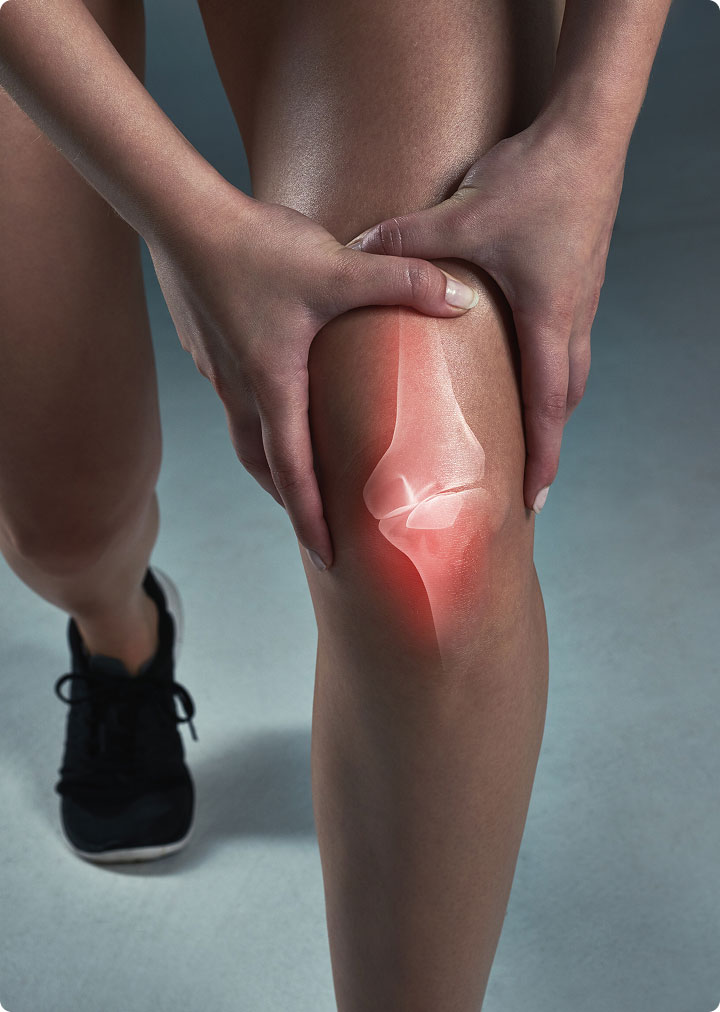
How Can Runner's Knee Be Prevented?
-
Build Strength and Control
Strengthening the quadriceps, glutes and hip muscles helps support the knee and improve movement control, reducing strain during activity. -
Progress Activity Gradually
Avoid sudden increases in training intensity or duration. Allowing time for the body to adapt helps prevent overload on the knee joint. -
Maintain Flexibility
Regular stretching of the hamstrings, calves and iliotibial band can support smoother movement and reduce tension around the knee. -
Optimise Footwear and Technique
Wearing appropriate footwear and maintaining good running or exercise form can help reduce unnecessary stress on the knee. -
Allow Time for Recovery
Adequate rest between training sessions gives the body time to repair and adapt, lowering the risk of overuse injuries. -
Address Symptoms Early
Early attention to knee discomfort can help prevent minor irritation from progressing into a more persistent condition.
How Can Runner’s Knee Be Prevented?
FAQs About Runner's Knee
Will I be able to run again after runner's knee surgery?
Can having flat feet increase my risk of developing runner's knee?
Can runner's knee lead to long-term knee damage if untreated?
Will insurance cover runner's knee surgery?
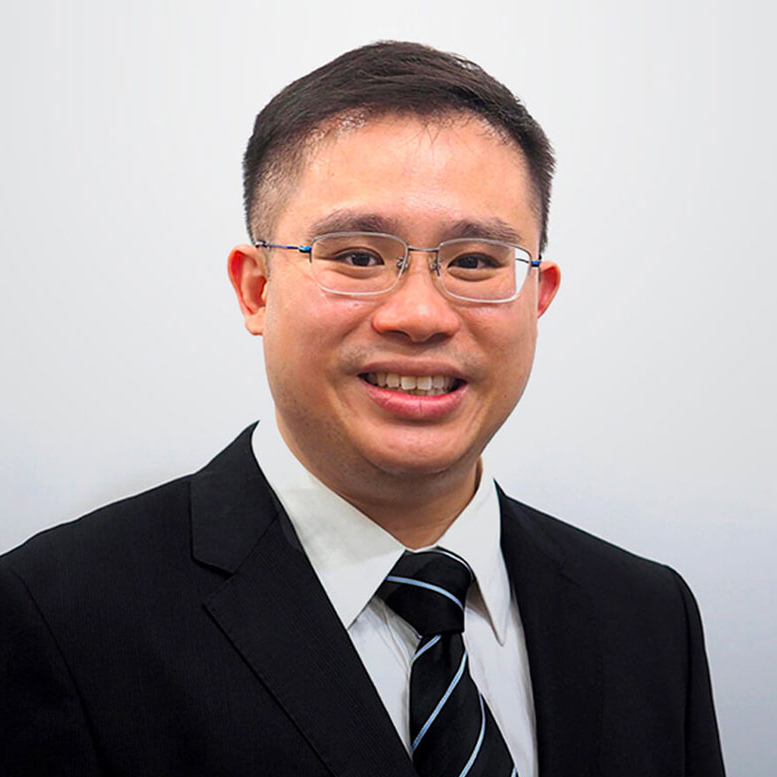
Dr Seng Chusheng
Senior Consultant Orthopaedic Surgeon (Sports & Exercise Medicine)
MBBS (Singapore), MRCS (Edinburgh), MMed (Orth), FRCS (Edinburgh)
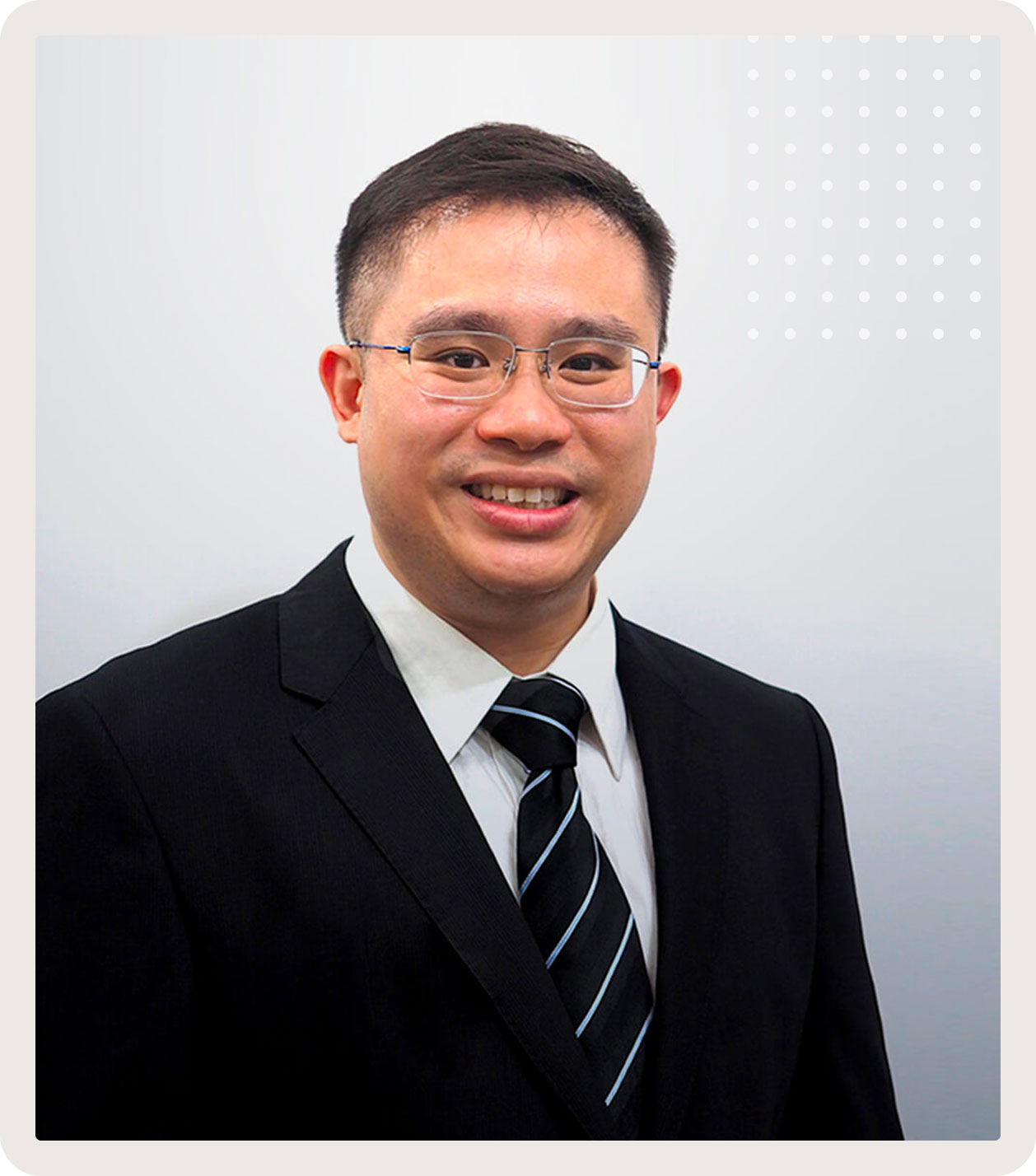
Dr Seng Chusheng is an experienced orthopaedic surgeon with over 10 years of clinical practice and a strong focus on sports injuries, including conditions such as runner's knee. Having performed over a thousand surgeries, he is skilled in both conservative and surgical management, helping patients achieve optimal recovery and return to activity.
Dr Seng obtained his medical degree from the National University of Singapore and completed his specialist training in orthopaedic surgery, earning a fellowship with the Royal College of Surgeons of Edinburgh. His commitment to patient care has been recognised with the SingHealth Service With A Heart Award, reflecting his dedication to delivering thoughtful and personalised treatment.
At Axis Sports Injury Clinic, supporting our patients in their recovery and regaining of mobility is our top priority.
We warmly welcome patients with sports injuries to experience our customised treatment. Call us at 9711 8888 for same-day or next day consultation!
Contact Info

Mount Elizabeth Novena Medical Centre
38 Irrawaddy Road, #06-33
Singapore 329563
Parkway East Medical Centre
319 Joo Chiat Place, #04-08,
Singapore 427989
Mount Alvernia
Medical Centre A
820 Thomson Road, #03-08,
Singapore 574623

Telephone



Operating Hours
| Mon - Fri | : | 8:30am - 5:30pm |
| Sat | : | 8:30am - 12:30pm |
| Sunday & PH : Closed | ||