


Consult Dr Seng if conservative treatment no longer provides sufficient relief.

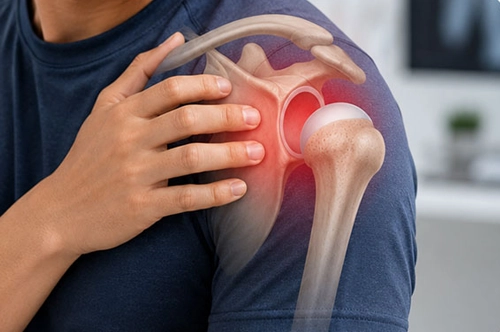
The first thing many people notice is not always the pain, but how unfamiliar the shoulder feels afterwards. Even once it has been put back in place, there can be a lingering sense that something is not quite right. Movements that used to be automatic, such as reaching overhead, pushing up from a chair or turning in bed, may start to feel deliberate or uncertain. For some, this settles over time. For others, the shoulder does not fully regain its sense of stability, especially in certain positions. This can make everyday activities feel less predictable and may raise concerns about whether the joint could slip out again. That uncertainty is often what brings people to seek further evaluation.
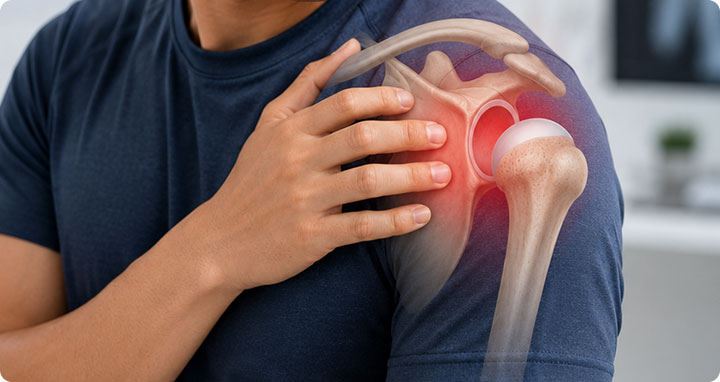
What Is a Shoulder Dislocation?
Types of Shoulder Dislocation
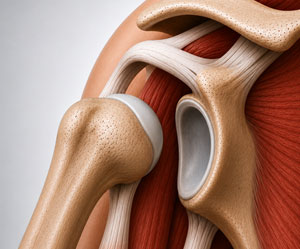
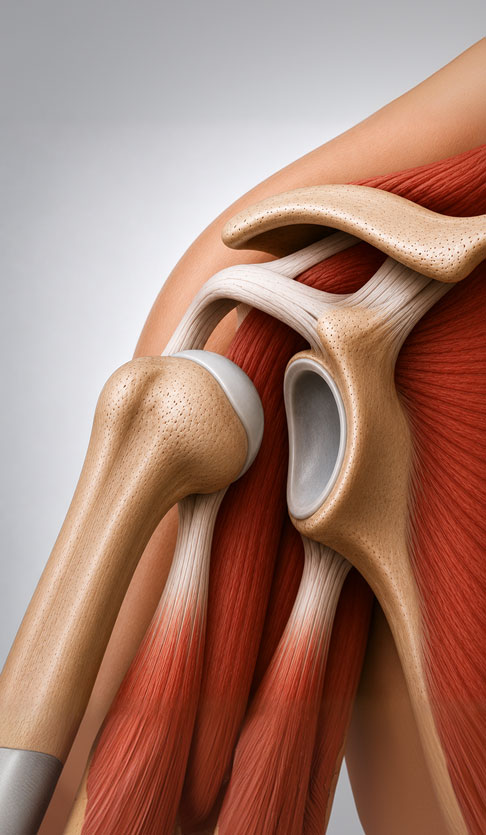
Anterior Dislocation
This is the most common type of shoulder dislocation, where the humeral head moves forward out of the glenoid socket. It often occurs due to a fall onto an outstretched arm or a direct blow to the shoulder, leading to pain and visible deformity.
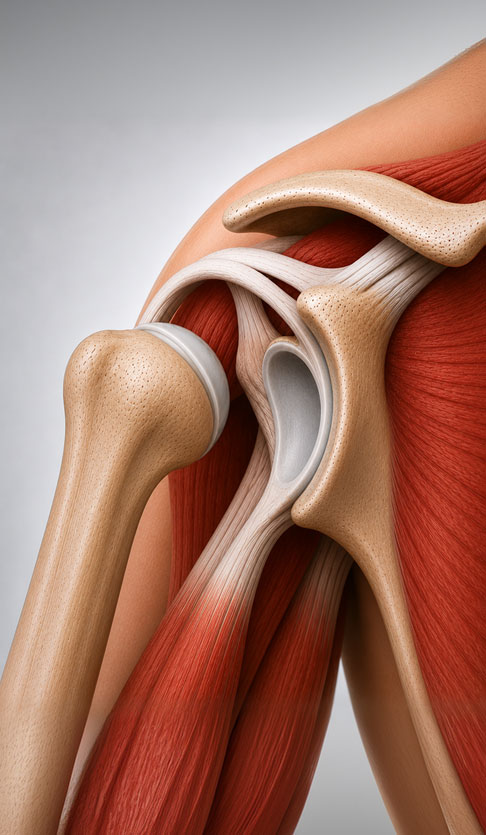
Posterior Dislocation
In this less common type, the humeral head is pushed backward out of the socket. It may occur due to high-impact injuries, seizures, or electrical shocks, and can sometimes be harder to detect initially.
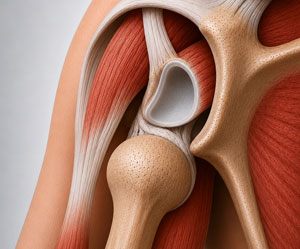
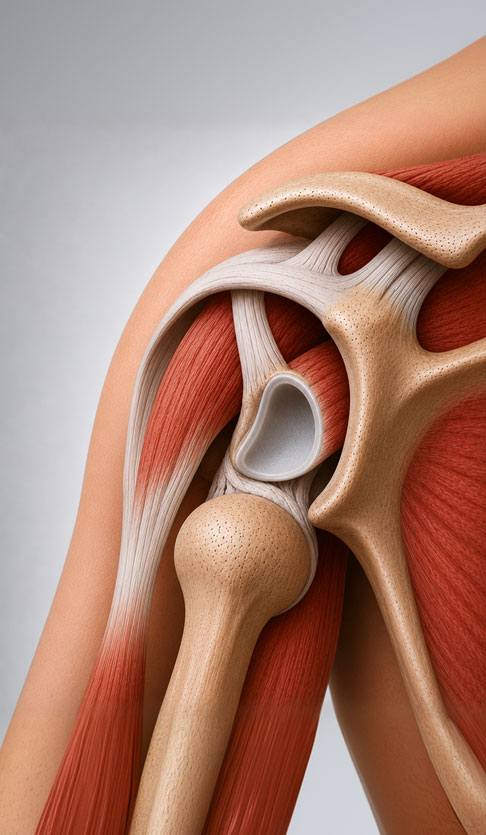
Inferior Dislocation
Also known as luxatio erecta, this is a rare type where the humeral head moves downward out of the socket. It is usually associated with significant trauma and may result in the arm being stuck in an overhead position.
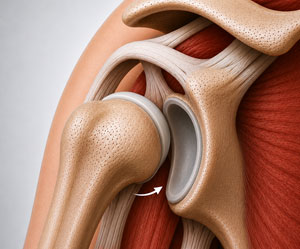
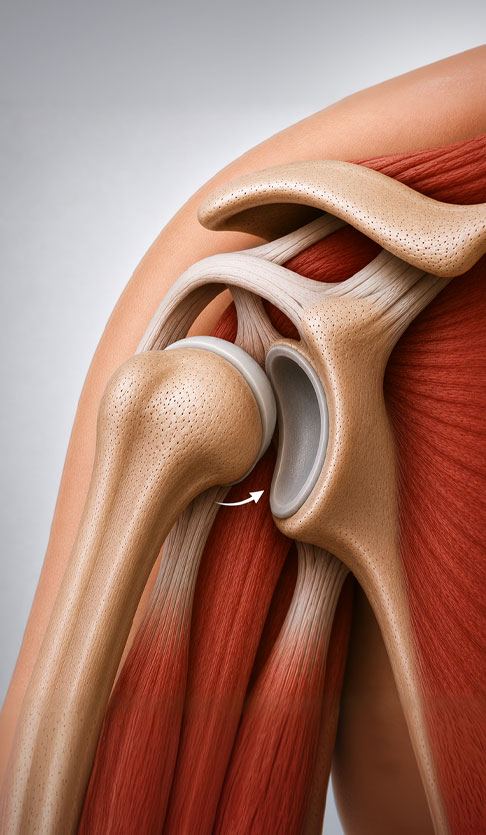
Shoulder Subluxation (Partial Dislocation)
A subluxation occurs when the humeral head partially slips out of the socket but returns to its normal position on its own. Although less severe than a full dislocation, it can still cause pain, instability, and an increased risk of future dislocations.
If you have experienced a shoulder dislocation or ongoing instability, Dr Seng Chusheng manages a full range of cases, from first-time injuries to recurrent dislocations.

What Causes Shoulder Dislocations?
-
Trauma or Falls
A fall onto the shoulder or an outstretched arm is one of the most common causes. The impact can drive the humeral head out of the socket, particularly during accidents or sudden slips. -
Sports Injuries
Contact sports and activities involving rapid changes in direction or overhead movement, such as football or basketball, increase the risk. Dislocations often occur during collisions or when the arm is forced into an awkward position. -
Forceful or Uncontrolled Movements
Sudden movements, especially when the arm is extended or rotated, can place significant stress on the joint and lead to dislocation even without direct impact. -
Previous Shoulder Dislocation
A prior dislocation can stretch or damage the ligaments and soft tissues that stabilise the joint. This makes the shoulder more prone to slipping out again, sometimes with less force than the initial injury. -
Weak or Unstable Shoulder Muscles
The muscles around the shoulder play an important role in keeping the joint stable. Weakness, fatigue or poor coordination can reduce this support and increase the risk of injury. -
Underlying Joint Laxity
Some individuals naturally have more flexible or looser ligaments. This can make the shoulder joint less stable and more likely to dislocate.
How Is Shoulder Dislocation Diagnosed?
-
Clinical Assessment
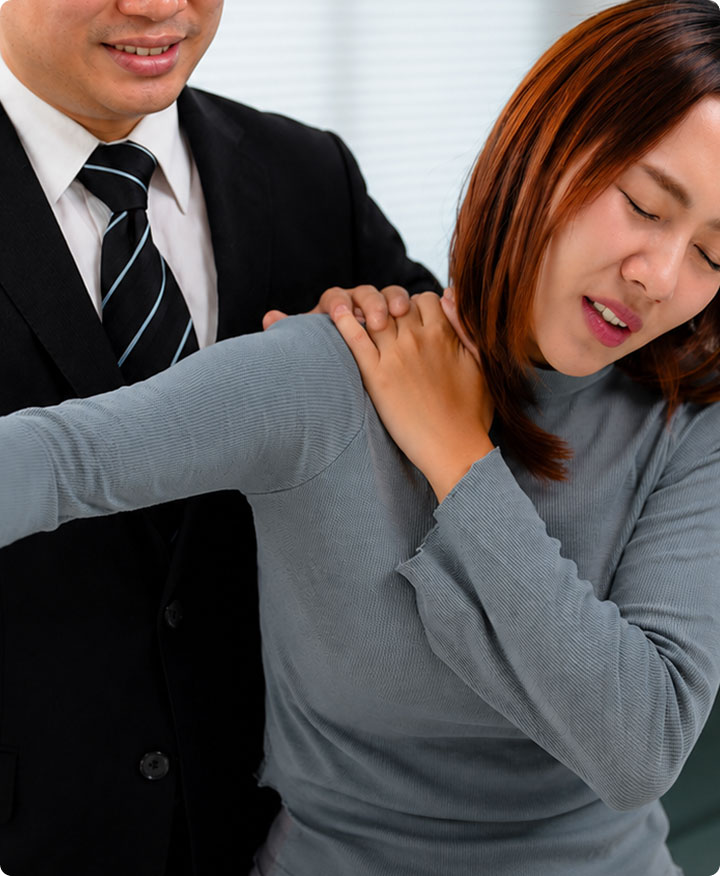
The doctor will assess the shoulder for visible changes in shape, swelling and areas of tenderness. Movement is checked carefully, as certain positions may be painful or restricted. Sensation and strength in the arm may also be evaluated to rule out nerve involvement.
You will also be asked about how the injury occurred, including the position of the arm and the force involved. A history of previous dislocations is important, as it can increase the risk of recurrence and affect management. -
X-Rays
X-rays are typically the first imaging test used. They confirm whether the shoulder is dislocated and help identify any associated fractures. X-rays are often taken both before and after the joint is put back into place. -
MRI Scans
An MRI may be recommended to assess damage to soft tissues, such as ligaments, tendons and cartilage. This is particularly useful if there is concern about ongoing instability or injury to structures that support the joint. -
CT Scans
CT scans provide more detailed images of the bones and may be used if a complex fracture is suspected or if further evaluation of the joint structure is needed.
Shoulder Dislocation Treatment Options
Treatment for a shoulder dislocation focuses on returning the joint to its normal position, managing pain and restoring stability. The approach depends on the severity of the injury and whether it is a first-time or recurrent dislocation.
Non-Surgical Option
Many first-time dislocations can be managed without surgery. The initial step is usually a closed reduction, where the humeral head is gently guided back into the socket.discomfort. Physiotherapy is an important part of recovery, helping to strengthen the surrounding muscles and restore stability to the joint. After the joint has been repositioned, the shoulder may be supported in a sling for a short period to allow the surrounding tissues to heal. Pain relief is often prescribed during this phase. Rehabilitation through physiotherapy plays a key role in recovery, focusing on strengthening the muscles around the shoulder and improving joint stability.Surgical Options
Surgery may be considered if the shoulder continues to feel unstable, if dislocations recur, or if there is significant damage to the bones or soft tissues. The aim is to restore stability and reduce the likelihood of future dislocations. Common procedures include:-
Ligament Repair
Repairing or tightening stretched ligaments to improve support around the joint. -
Labrum Repair
Reattaching or repairing the labrum, the cartilage rim that helps keep the humeral head centred within the socket. -
Bone Reconstruction
Restoring or reshaping areas of bone loss in the shoulder to improve joint alignment and stability.
For a personalised treatment plan, Dr Seng Chusheng manages shoulder dislocations with both non-surgical care and advanced surgical techniques when needed.
Shoulder Dislocation Management & Rehabilitation
Recovery from a shoulder dislocation typically involves a structured rehabilitation programme aimed at restoring strength, stability and confidence in movement. Progress is gradual and guided by how the shoulder responds at each stage.

Early Stage
In the initial phase, the focus is on allowing the shoulder to settle while preventing stiffness. Gentle, controlled movements may be introduced alongside the use of a sling for support. Pain and swelling are managed during this period to allow the surrounding tissues to begin healing.
Physiotherapy and Strengthening
As symptoms improve, rehabilitation shifts towards strengthening the muscles that support the shoulder, particularly the rotator cuff. These exercises help improve joint control and reduce the risk of further instability.
Mobility and Functional Training
Once strength begins to return, the emphasis moves to restoring range of motion and coordination. Exercises become more functional, gradually reintroducing movements used in daily activities or sports.
Return to Activity and Maintenance
A gradual return to normal activities is guided by strength and stability. Ongoing exercises are often recommended to maintain shoulder function and reduce the risk of recurrence, especially for those returning to higher-demand activities.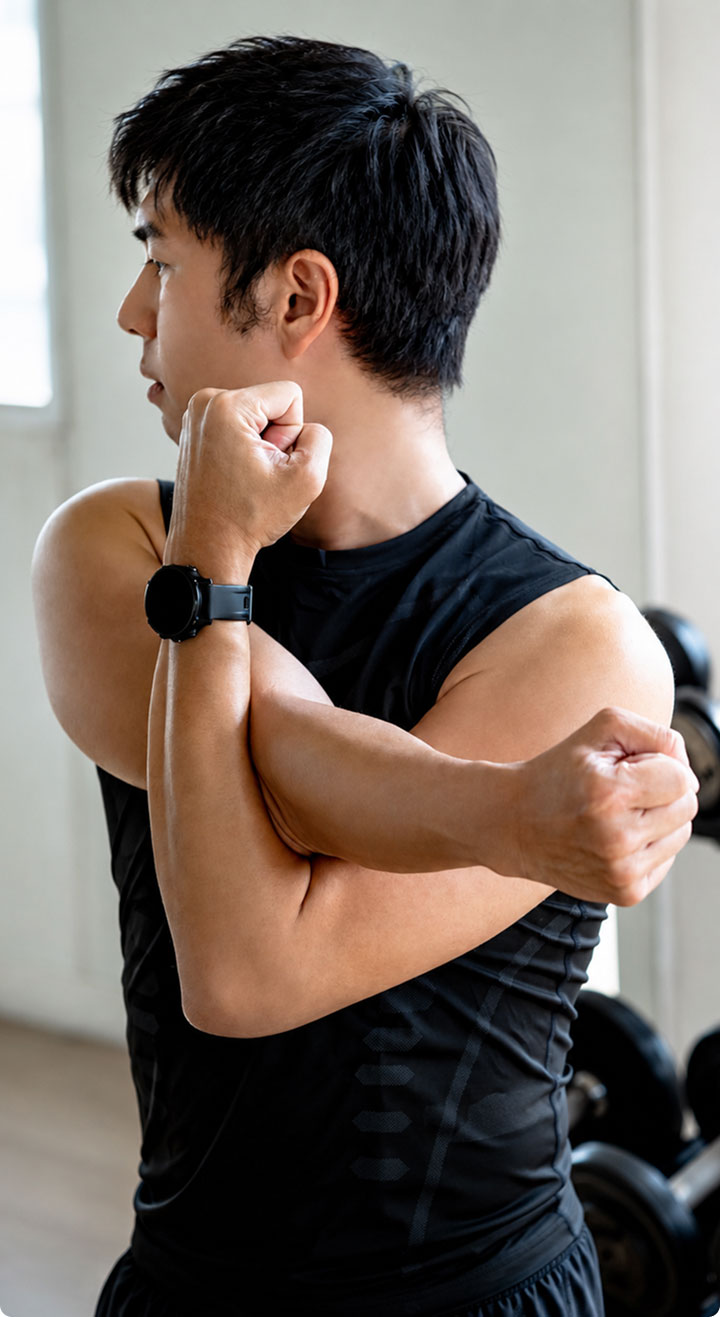
How to Prevent Shoulder Dislocation?
-
Strengthen Shoulder Muscles
Strengthening the rotator cuff and surrounding muscles plays a key role in supporting the shoulder joint. A well-conditioned shoulder is better able to withstand sudden or awkward movements. -
Maintain Good Shoulder Mobility
Regular stretching helps preserve flexibility and allows the joint to move through its full range without strain. This supports more controlled and efficient movement patterns. -
Use Proper Technique
Whether during sports or daily activities, good form reduces unnecessary stress on the shoulder. This is particularly important for overhead or repetitive movements. -
Prepare Before Activity
Warming up before exercise helps activate the muscles and improves joint readiness, lowering the risk of injury. -
Progress Activity Gradually
Sudden increases in intensity or load can place excessive strain on the shoulder. Building up gradually allows the joint and surrounding structures to adapt. -
Protect the Shoulder When Needed
In contact sports or higher-risk activities, protective support or bracing may provide additional stability. -
Address Previous Injuries Properly
Incomplete rehabilitation after a dislocation increases the risk of recurrence. Following through with strengthening and recovery is essential. -
Be Aware of Vulnerable Positions
Certain arm positions place the shoulder at higher risk, particularly in individuals with a history of instability. Being mindful of these movements can help prevent re-injury.
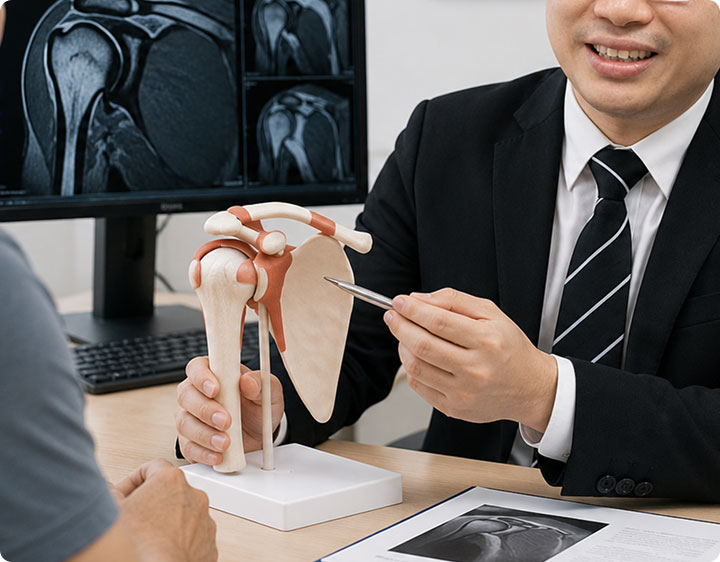
Getting the Right Care for a Shoulder Dislocation
FAQs About Shoulder Dislocation
How long does shoulder dislocation surgery take?
Is it possible for a shoulder to dislocate again after surgery?
What happens if a dislocation is not treated immediately?
Will insurance cover surgery for shoulder dislocation?

Dr Seng Chusheng
Senior Consultant Orthopaedic Surgeon (Sports & Exercise Medicine)
MBBS (Singapore), MRCS (Edinburgh), MMed (Orth), FRCS (Edinburgh)
Dr Seng Chusheng is an experienced orthopaedic surgeon with over 10 years of clinical practice and more than a thousand surgeries performed. He specialises in sports surgery, with particular expertise in managing shoulder dislocations and sports-related injuries, helping patients return safely to activity.
He is also a Fellow of the Royal College of Surgeons of Edinburgh (Orthopaedic Surgery), and was recognised for his dedication to patient care with the SingHealth Service With A Heart Award during his time as a consultant orthopaedic surgeon at Singapore General Hospital.
At Axis Sports Injury Clinic, supporting our patients in their recovery and regaining of mobility is our top priority.
We warmly welcome patients with sports injuries to experience our customised treatment. Call us at 9711 8888 for same-day or next day consultation!
Contact Info

Mount Elizabeth Novena Medical Centre
38 Irrawaddy Road, #06-33
Singapore 329563
Parkway East Medical Centre
319 Joo Chiat Place, #04-08,
Singapore 427989
Mount Alvernia
Medical Centre A
820 Thomson Road, #03-08,
Singapore 574623

Telephone



Operating Hours
| Mon - Fri | : | 8:30am - 5:30pm |
| Sat | : | 8:30am - 12:30pm |
| Sunday & PH : Closed | ||