


Consult Dr Seng if conservative treatment no longer provides sufficient relief.
Sports injuries are an inevitable part of pushing your limits, whether you are a competitive athlete or someone committed to regular training. In Singapore’s active and fast-paced sporting environment, injuries can occur from overuse, improper technique or sudden impact during play. Left unaddressed, even minor issues can affect performance, prolong recovery and increase the risk of re-injury. Early assessment and appropriate management are essential not only for healing, but also for maintaining strength, mobility and long-term athletic performance. With the right care, athletes can recover effectively and return to their sport with greater confidence and resilience.
What Kind of Sports Injury Might You Have?
Have you ever found yourself limping off the field or court with aches and pains that just won't go away?
Whether you're a seasoned athlete or a weekend warrior, sports injuries can happen to anyone.
Depending on the sport you play, you may be at a higher risk for certain types of injuries.
Common Injuries Sustained in Sports
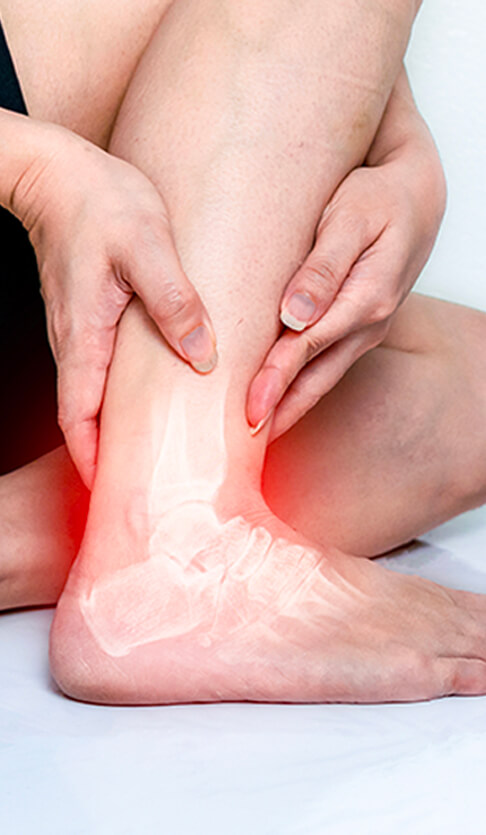
Sprains
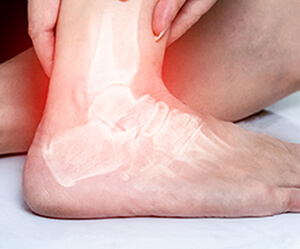
A sprain is an injury to a ligament that can cause pain, swelling, and limited mobility. In sports, sprains usually occur from the sudden twisting or impact to the ankle, knee, or wrist. For example, one may sprain their ankle while landing awkwardly after jumping.
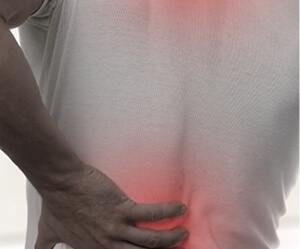
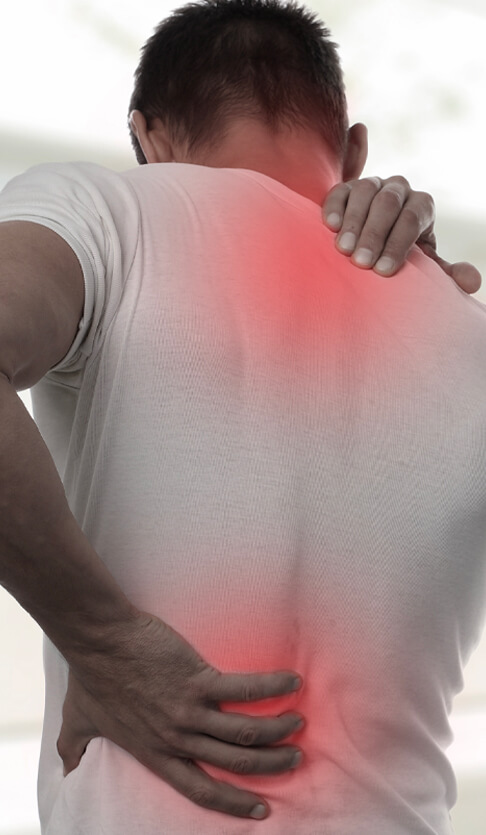
Strains
A strain is an injury to a muscle or tendon, and it can cause pain, stiffness, and weakness. In sports, strains commonly occur from overuse or the sudden twisting of the hamstring, back, or shoulder muscles. For example, a tennis player may strain their back from the repeated twisting motion required to serve a ball.
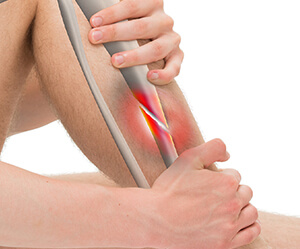
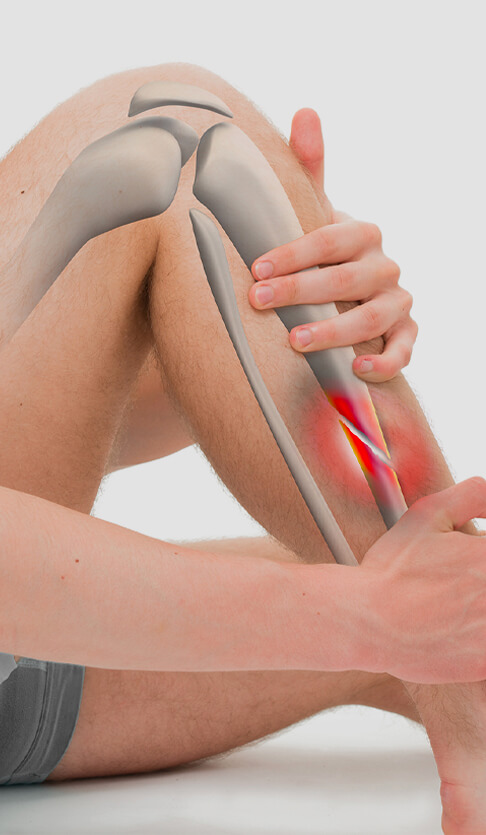
Fractures
A fracture is a broken bone that can cause severe pain, swelling, and deformity. In sports, fractures can occur from direct impact or from overuse injuries. For example, a cyclist may fracture their leg after falling and colliding with a tree or car.
Dislocations
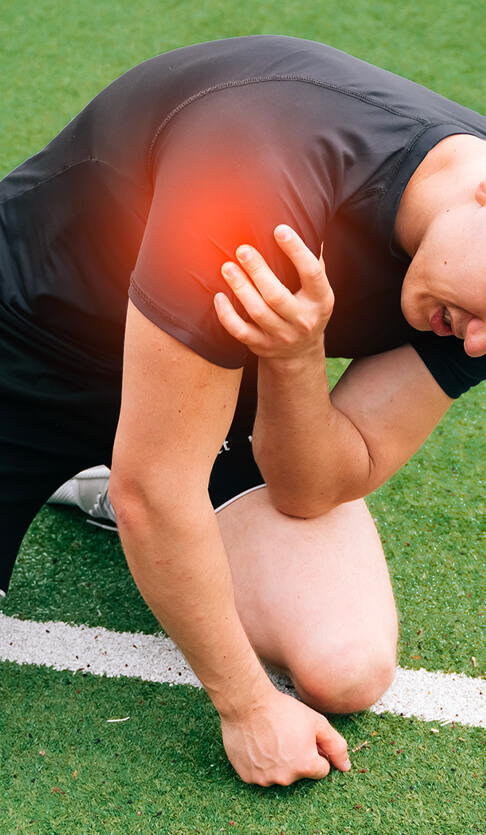
A dislocation occurs when a joint is forced out of its normal position, causing pain, deformity, swelling, and instability. In sports, dislocations can occur from direct impact or from overuse injuries. For example, a soccer player may dislocate their shoulder after being tackled to the ground.
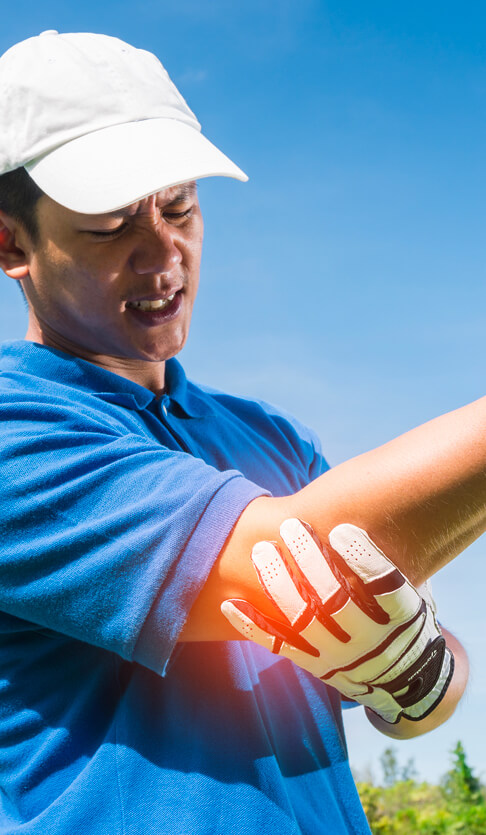
Tendinitis
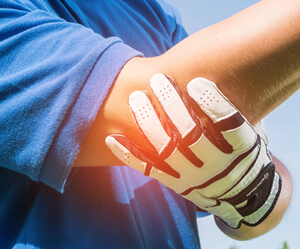
Tendinitis is an inflammation of a tendon that can cause pain, swelling, and limited mobility. In sports, tendinitis can occur from an overuse or acute injury. For example, a golfer may develop elbow tendinitis from swinging the golf club repeatedly, especially without proper technique and rest.
Bursitis
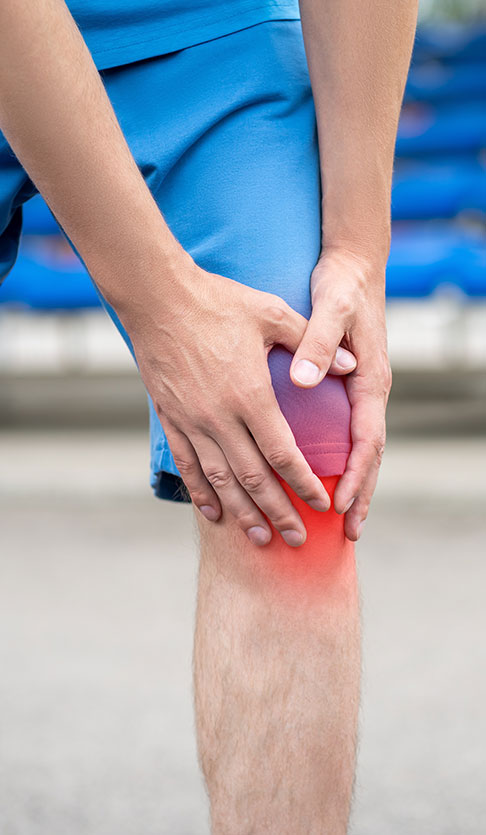
Bursitis is characterized by the inflammation of the bursae, which are fluid-filled sacs that cushion the joints. It usually arises from repetitive movements or direct trauma. Athletes, especially those taking part in activities that require repetitive joint motion, are prone to developing bursitis.


Rotator Cuff Injuries
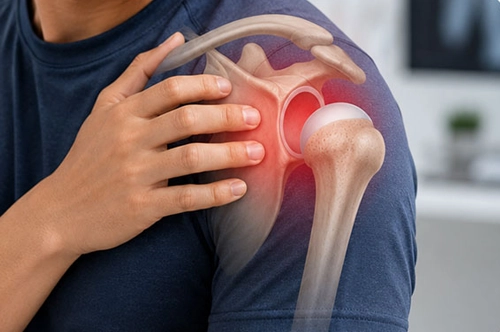
A rotator cuff injury can cause pain and limited mobility in the shoulder joint. In sports, rotator cuff injuries can occur from overuse or from sudden injury. For example, a weightlifter doing overhead presses and snatches can place significant strain on the rotator cuff and potentially injure it.

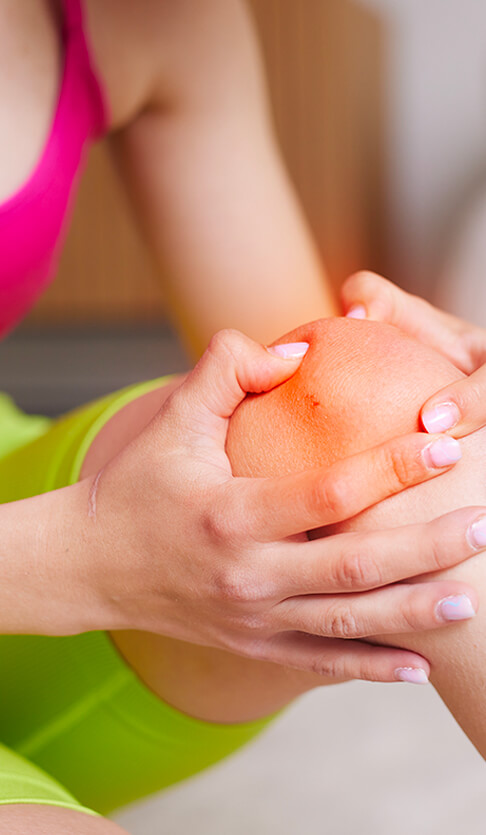
ACL Injuries
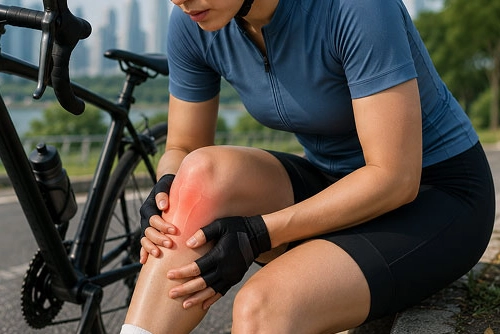
An ACL injury is a common knee injury whereby the anterior cruciate ligament is torn. In sports, ACL injuries can occur from sudden twisting or direct impact to the knee. For example, a gymnast performing vaults and somersaults can place great strain on the ACL and potentially injure it.
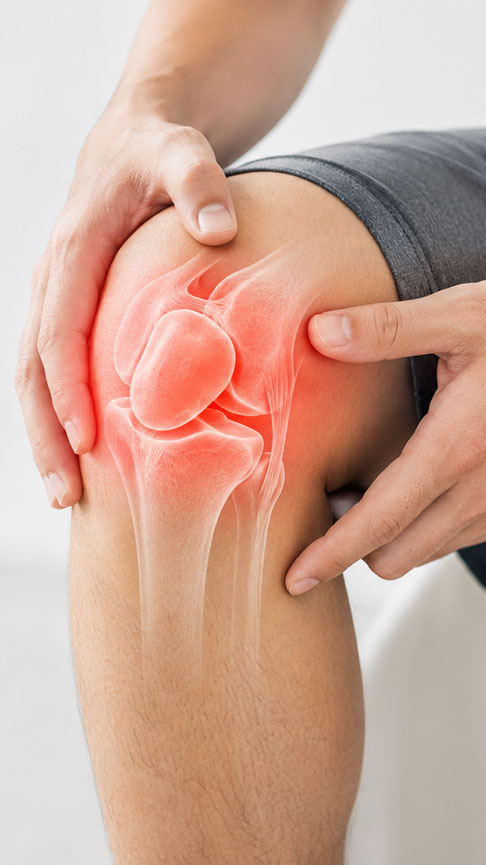
Patellofemoral Pain Syndrome (Runner's Knee)
Patellofemoral Pain Syndrome is a condition affecting the kneecap that can cause pain, especially during movement. In sports, it often develops from overuse or improper tracking of the kneecap during activities like running or squatting. For example, a runner may experience pain at the front of the knee during or after a run.
Causes and Risk Factors of Sports Injuries
 Overuse from repetitive movements without adequate rest
Sudden increase in training intensity or frequency
Improper technique or poor form during activity
Inadequate warm-up or stretching before exercise
Muscle imbalances or poor conditioning
Previous injuries or returning to sport too soon
Poor footwear or inappropriate equipment
Direct impact, collisions, or awkward landings
Overuse from repetitive movements without adequate rest
Sudden increase in training intensity or frequency
Improper technique or poor form during activity
Inadequate warm-up or stretching before exercise
Muscle imbalances or poor conditioning
Previous injuries or returning to sport too soon
Poor footwear or inappropriate equipment
Direct impact, collisions, or awkward landings
When to Seek Medical Attention
Severe or persistent pain
Significant swelling or bruising
Weakness or instability in the affected area
Inability to bear weight or use the injured limb
Symptoms that worsen over time or do not improve with rest
Limited range of motion or joint stiffness
A popping sound at the time of injury
A fracture or broken bone
A joint dislocation
A ligament tear, especially with sudden instability or loss of function
At Axis Sports Injury Clinic, Dr Seng Chusheng focuses on helping athletes and active individuals recover efficiently and return to sport with confidence through structured, evidence-based care.
Diagnosis of Sports Injury
Accurate diagnosis is an important first step in guiding appropriate treatment and supporting a safe return to activity. At Axis Sports Injury Clinic, evaluation begins with a detailed medical history and physical examination tailored to your symptoms, injury mechanism and activity level. Specific clinical tests may also be performed to assess joint stability, muscle strength and range of motion. When indicated, imaging investigations may include:
X-Rays
Used to assess bone injuries such as fractures or joint alignment.MRI Scans
Provides detailed imaging of soft tissues, including ligaments, tendons and cartilage.Ultrasound
Useful for evaluating soft tissue structures in real time, such as tendons and muscles.Sports Injury Treatment Options
Treatment for sports injuries depends on the type and severity of the condition, as well as your activity level and recovery goals. At Axis Sports Injury Clinic, care is tailored to support effective healing and a safe return to sport.
Non-Surgical Treatment Options
Non-surgical treatment may be recommended for many sports injuries, particularly in mild to moderate cases or as a first-line approach.-
Rest and Activity Modification
Reducing or modifying activity helps prevent further strain on the injured area and allows tissues time to heal. -
Physiotherapy
Structured rehabilitation programmes focus on restoring strength, mobility and joint stability, supporting a safe return to sport. -
Medication
Medications may be used to manage pain and reduce inflammation during the recovery process. -
Bracing or Support Devices
Braces or supports help stabilise the injured area, protect healing tissues and reduce the risk of further injury. -
Injections (When Indicated)
In some cases, injections may be used to reduce inflammation and relieve pain as part of a comprehensive treatment plan.
Common Sports Injury Surgeries
Surgical treatment may be considered when injuries are more severe, such as ligament tears, joint instability or fractures, or when symptoms do not improve with conservative care. Common sports-related surgical procedures include:-
ACL Reconstruction
A procedure to replace a torn anterior cruciate ligament using a graft, helping to restore knee stability, particularly in athletes involved in pivoting sports. -
Meniscus Repair or Surgery
Treatment for torn knee cartilage, which may involve repairing the meniscus or trimming damaged tissue to relieve symptoms and preserve joint function. -
Shoulder Stabilisation Surgery
Performed to address recurrent shoulder dislocations by repairing or tightening the structures that stabilise the joint. -
Ankle Ligament Repair
Aims to restore stability in patients with chronic ankle instability or severe ligament injuries, supporting a return to weight-bearing and sports activities.

Why Choose Axis Sports Injury for Sports Surgery?
-
Dedicated Sports Injury Focus
Care is tailored to the demands of athletic performance and recovery for active individuals. -
Experienced Sports Orthopaedic Surgeon
Led by Dr Seng Chusheng, with experience managing a wide range of sports conditions, from common injuries to complex surgical cases. -
Advanced Diagnostics and Surgical Techniques
Utilises modern imaging and surgical methods to support accurate evaluation and precise treatment planning. -
Structured, Patient-Centred Care
Clear guidance is provided at every stage, from diagnosis to recovery. -
Focused on Safe Return to Activity
Emphasis on helping patients return to sport safely while supporting long-term joint health.
Frequently Asked Questions About Sports Injuries
How long does it usually take for sports injuries to fully heal?
Are minimally invasive techniques an option for sports surgery?
How can I speed up my sports injury recovery?
Do all sports injuries require surgery?
Can I safely return to my sport after undergoing surgery?
How can I prevent sports injuries in the future?
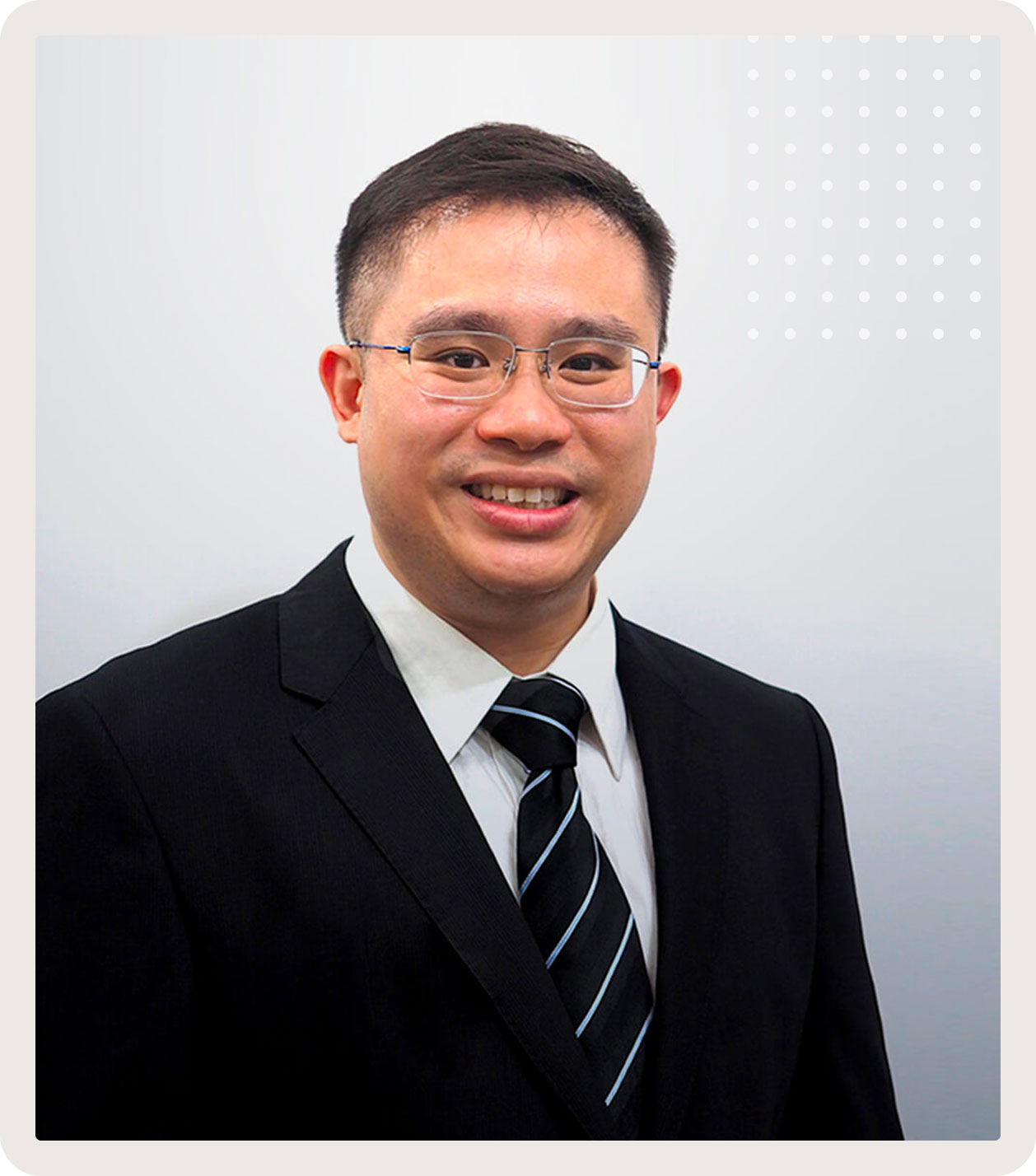
Dr Seng Chusheng
Senior Consultant Orthopaedic Surgeon (Sports & Exercise Medicine)
MBBS (Singapore), MRCS (Edinburgh), MMed (Orth), FRCS (Edinburgh)
Dr Seng Chusheng is an orthopaedic surgeon with over 10 years of experience and a strong focus on sports injuries and surgery. Having performed more than a thousand procedures, he manages a wide range of sports-related conditions, supporting athletes and active individuals in returning safely to activity.
Formerly a consultant orthopaedic surgeon at Singapore General Hospital, he continues to contribute as a visiting consultant and was recognised with the SingHealth Service With A Heart Award for his dedication to patient care. His approach combines clinical experience with a clear focus on helping patients recover well and return to an active lifestyle with confidence.
At Axis Sports Injury Clinic, supporting our patients in their recovery and regaining of mobility is our top priority.
We warmly welcome patients with sports injuries to experience our customised treatment. Call us at 9711 8888 for same-day or next day consultation!
Contact Info

Mount Elizabeth Novena Medical Centre
38 Irrawaddy Road, #06-33
Singapore 329563
Parkway East Medical Centre
319 Joo Chiat Place, #04-08,
Singapore 427989
Mount Alvernia
Medical Centre A
820 Thomson Road, #03-08,
Singapore 574623

Telephone



Operating Hours
| Mon - Fri | : | 8:30am - 5:30pm |
| Sat | : | 8:30am - 12:30pm |
| Sunday & PH : Closed | ||