
Mount Elizabeth Novena
Medical Centre
38 Irrawaddy Road, #06-33
Singapore 329563Parkway East
Medical Centre
319 Joo Chiat Place, #04-08
Singapore 427989Mount Alvernia
Medical Centre A
820 Thomson Road, #03-08
Singapore 574623


Book an appointment
Home
Our Sports Surgeon
Treatments
Contact Us
A sports injury specialist has the experience and expertise in guiding you towards the appropriate treatment.
Consult Dr Seng if conservative treatment no longer provides sufficient relief.
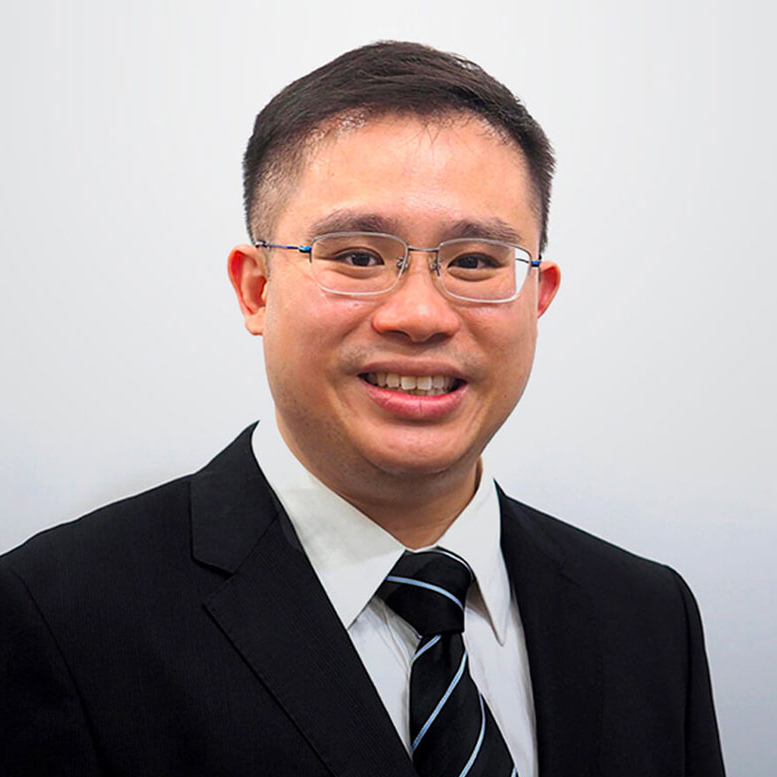
Dr Seng Chusheng
Senior Consultant Orthopaedic Surgeon (Sports & Exercise Medicine)
MBBS (Singapore), MRCS (Edinburgh), MMed (Orth), FRCS (Edinburgh)
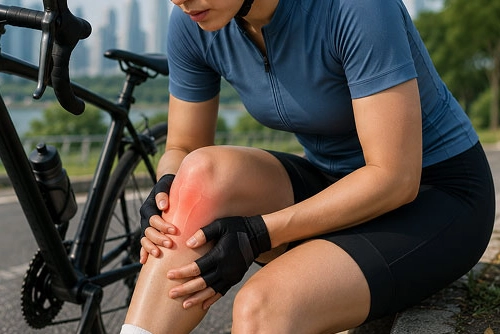
Runner's knee, clinically known as patellofemoral pain syndrome, is a prevalent condition characterised by pain around or behind the kneecap (patella). It frequently affects athletes, particularly runners, but can also occur in non-athletes who engage in activities involving repetitive knee bending.
While conservative treatments are the first line of defence, they do not always resolve the underlying mechanical issues. If chronic pain persists and begins to limit your daily mobility, runner’s knee surgery may be considered to effectively realign the joint and restore full function.
Read on as we examine the primary causes of this condition, the specific signs that indicate surgery is necessary, and the advanced surgical options available to help you return to an active lifestyle.
While conservative treatments are the first line of defence, they do not always resolve the underlying mechanical issues. If chronic pain persists and begins to limit your daily mobility, runner’s knee surgery may be considered to effectively realign the joint and restore full function.
Read on as we examine the primary causes of this condition, the specific signs that indicate surgery is necessary, and the advanced surgical options available to help you return to an active lifestyle.
What Causes Runner’s Knee?
Runner’s knee occurs when the kneecap does not track correctly within the groove of the thigh bone (femur), leading to irritation, inflammation and pain. Several factors can contribute to this condition, including:
- Overuse/Repetitive Stress: Activities that involve repeated bending and straightening of the knee, such as running, squatting or climbing stairs, place continuous stress on the patellofemoral joint.
- Muscular Imbalances: Weakness in the quadriceps or hip muscles, along with tightness in the hamstrings or iliotibial (IT) band, can disrupt the proper alignment and movement of the kneecap.
- Poor Running Form: Incorrect running technique can lead to abnormal forces being placed on the knee joint, contributing to pain and inflammation.
- Misalignment of the Kneecap: In some individuals, the patella may be naturally misaligned or positioned too high or too low. This can affect how smoothly the kneecap moves within the femoral groove, leading to repeated friction and ongoing irritation over time.
When Should You Consider Runner’s Knee Surgery?
Surgery is typically only considered after a prolonged period of non-surgical treatment has failed to provide relief. While most patients recover through rest and physiotherapy, runner’s knee surgery may be recommended if symptoms persist or structural issues are identified.
Common situations where surgical intervention may be necessary include:
Common situations where surgical intervention may be necessary include:
- Persistent Pain: If you have diligently followed a non-surgical treatment plan — including rest, physiotherapy and medication, for 3–6 months — without significant improvement, surgery may be the next logical step.
- Structural Damage: Diagnostic imaging, such as an X-ray or MRI scan, may reveal underlying structural issues, such as loose bodies (bone or cartilage fragments) or severe misalignment that cannot be corrected with non-operative methods.
- Severe Cartilage Wear: When the cartilage underneath the kneecap breaks down significantly, the resulting bone-on-bone friction causes severe pain and inflammation. In advanced cases where cartilage loss is extensive, surgical repair or restoration may be required.
- Recurrent Instability: Repeated patellar subluxation or dislocation suggests that the kneecap is not being adequately stabilised. Surgical treatment may be needed to improve stability and reduce the risk of further episodes.
- Limited Daily Activities: If knee pain affects basic movements such as climbing stairs, squatting, walking for longer periods or sitting comfortably, surgery may be considered to help restore function and quality of life.
What Are the Types of Runner’s Knee Surgeries?
The recommended surgical approach depends on the underlying cause of your pain and the severity of joint damage. Using findings from diagnostic imaging, your surgeon will select a procedure designed to restore alignment or repair the joint surface.
Depending on your specific needs, one or more of the following techniques may be used:
Depending on your specific needs, one or more of the following techniques may be used:
Arthroscopy
This is a minimally invasive procedure where the surgeon inserts a small camera (arthroscope) and instruments through tiny incisions. It is used to remove loose fragments of damaged cartilage or to smooth out joint surfaces to reduce friction.
Lateral Release
If tight ligaments on the outer side of the knee (lateral retinaculum) are pulling the kneecap out of alignment, a lateral release may be performed. In this procedure, the surgeon cuts these tight ligaments to allow the kneecap to sit more centrally in the femoral groove.
Cartilage Repair
For patients with localised cartilage damage, surgery may be considered to restore a smoother joint surface. One common option is a microfracture, where small holes are made in the underlying bone to stimulate new cartilage growth. Other approaches include cartilage restoration procedures such as OATS or ACI, which aim to replace damaged cartilage with healthy tissue.
Realignment Surgery (Tibial Tubercle Transfer)
For severe kneecap misalignment, a tibial tubercle transfer may be performed. This surgery involves repositioning a small section of bone where the patellar tendon attaches to the shin bone (tibia) to ensure the kneecap tracks correctly.
What Are the Benefits of Runner’s Knee Surgery?
Runner’s knee surgery can offer a significant number of improvements in both joint function and overall quality of life. These include:
- Relieving Chronic Pain: The procedure aims to directly address the source of your discomfort, whether it is caused by constant friction, poor alignment, or damaged cartilage surfaces.
- Restoring Daily Mobility: By correcting mechanical imbalances, surgery allows you to return to essential daily movements like climbing stairs or squatting without the sensation of irritation or pain.
- Improving Joint Stability: Surgical techniques help to securely stabilise the kneecap, which is essential for patients who experience recurrent dislocations or a feeling of instability during movement.
- Supporting a Return to Sport: Following a successful recovery and rehabilitation programme, many patients are able to safely transition back to low-impact sports and, in many cases, running.
- Preventing Long-Term Damage: Addressing alignment and cartilage issues early can help to reduce further wear and tear on the joint, potentially lowering the risk of developing severe arthritis in the future.
Risks and Considerations
While runner’s knee surgery is generally safe, it does carry potential risks such as infection, joint stiffness, or persistent pain. Successful outcomes also require a significant commitment to rehabilitation, as it can often take several months of dedicated physiotherapy to fully restore your strength and mobility.
Because surgery may not be suitable for individuals with widespread arthritis, a professional consultation is essential. An orthopaedic specialist will evaluate your symptoms and imaging findings to determine if surgical intervention is the most effective way to meet your long-term recovery goals.
Because surgery may not be suitable for individuals with widespread arthritis, a professional consultation is essential. An orthopaedic specialist will evaluate your symptoms and imaging findings to determine if surgical intervention is the most effective way to meet your long-term recovery goals.
Take the Next Step Toward Pain-Free Movement
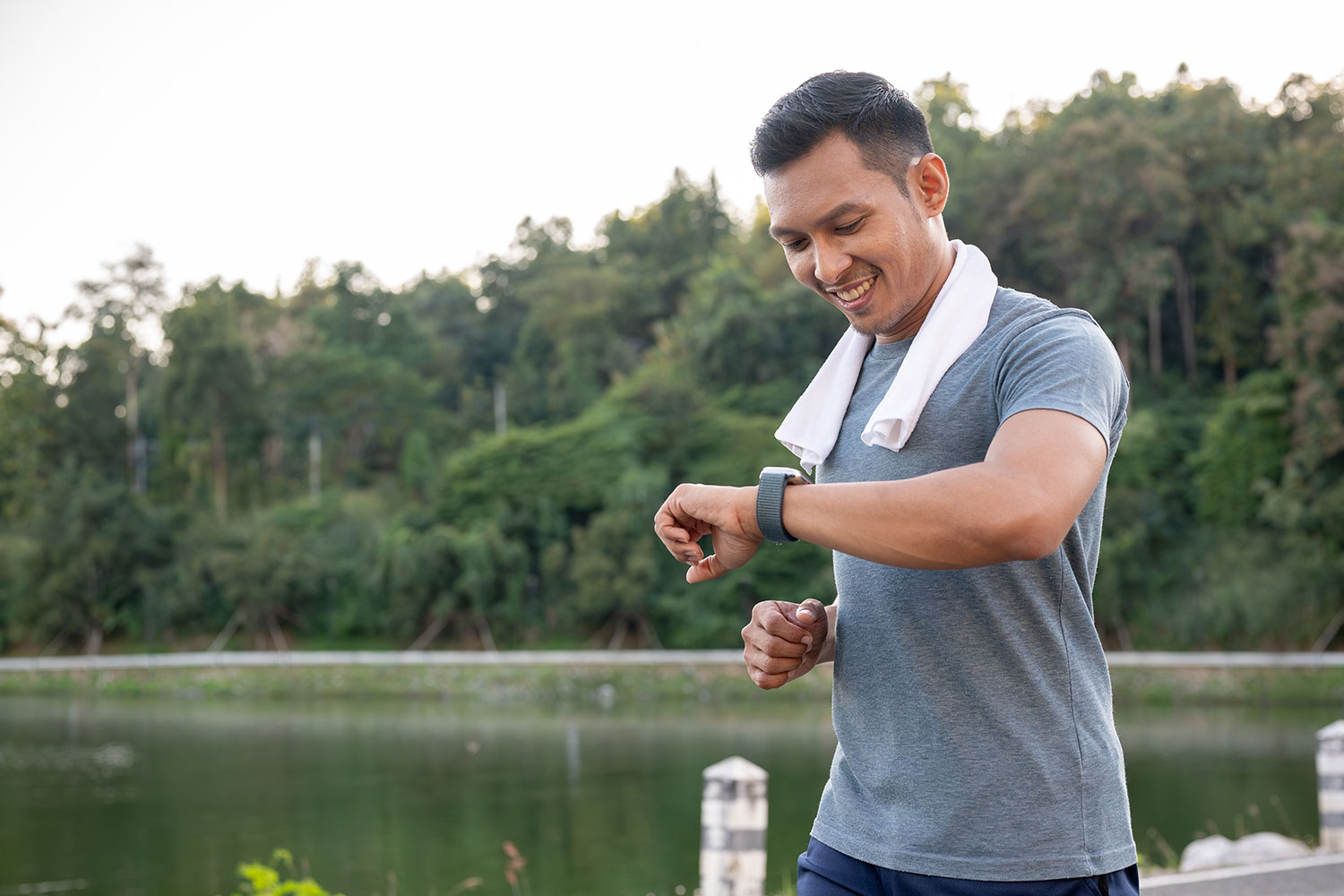
Ultimately, choosing the right surgical path requires a balance of clinical precision and a personalised approach to recovery. By addressing the root cause of your knee pain, you can move past the limitations of runner's knee and return to the physical activities you enjoy most.
At Axis Sports Injury Clinic, we specialise in comprehensive assessments and advanced treatments for both sports injuries and degenerative conditions. Dr Seng Chusheng provides the expert oversight and custom care plans needed to help you regain your mobility and long-term joint health. If you are ready to discuss your options, please contact us to schedule a consultation today.
At Axis Sports Injury Clinic, we specialise in comprehensive assessments and advanced treatments for both sports injuries and degenerative conditions. Dr Seng Chusheng provides the expert oversight and custom care plans needed to help you regain your mobility and long-term joint health. If you are ready to discuss your options, please contact us to schedule a consultation today.
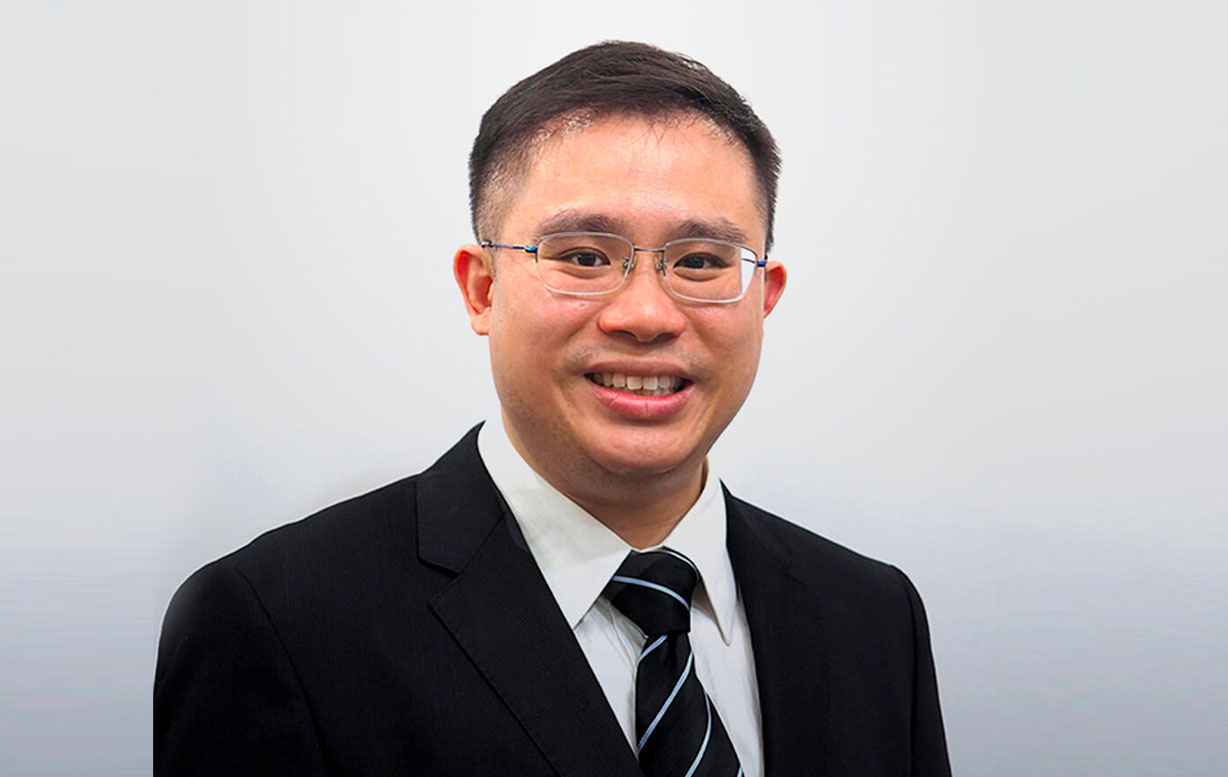
Dr Seng Chusheng
Senior Consultant Orthopaedic Surgeon (Sports & Exercise Medicine) MBBS (Singapore), MRCS (Edinburgh), MMed (Orth), FRCS (Edinburgh)
Dr Seng Chusheng is a sports surgeon in Singapore with more than 10 years of clinical experience. He has performed over a thousand orthopaedic procedures, with a focus on the surgical management of sports-related injuries.
In recognition of his service, Dr Seng received the SingHealth Service With A Heart Award. He has also presented at local, regional and international orthopaedic conferences, including the American Academy of Orthopaedic Surgeons AAOS Annual Scientific Meeting.
Meet Our Sports Injury DoctorIn recognition of his service, Dr Seng received the SingHealth Service With A Heart Award. He has also presented at local, regional and international orthopaedic conferences, including the American Academy of Orthopaedic Surgeons AAOS Annual Scientific Meeting.
At Axis Sports Injury Clinic, supporting our patients in their recovery and regaining of mobility is our top priority.
We warmly welcome patients with sports injuries to experience our customised treatment. Call us at 9711 8888 for same-day or next day consultation!
General Enquiry
Appointment
Contact Info

Mount Elizabeth Novena Medical Centre
38 Irrawaddy Road, #06-33
Singapore 329563
Parkway East Medical Centre
319 Joo Chiat Place, #04-08,
Singapore 427989
Mount Alvernia
Medical Centre A
820 Thomson Road, #03-08,
Singapore 574623

Telephone



Operating Hours
| Mon - Fri | : | 8:30am - 5:30pm |
| Sat | : | 8:30am - 12:30pm |
| Sunday & PH : Closed | ||