
Mount Elizabeth Novena
Medical Centre
38 Irrawaddy Road, #06-33
Singapore 329563Parkway East
Medical Centre
319 Joo Chiat Place, #04-08
Singapore 427989Mount Alvernia
Medical Centre A
820 Thomson Road, #03-08
Singapore 574623


Book an appointment
Home
Our Sports Surgeon
Treatments
Contact Us
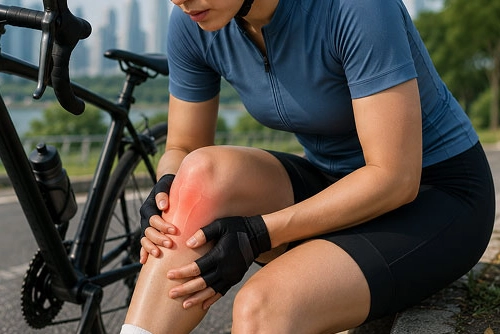
A sports injury specialist has the experience and expertise in guiding you towards the appropriate treatment.
Consult Dr Seng if conservative treatment no longer provides sufficient relief.

Dr Seng Chusheng
Senior Consultant Orthopaedic Surgeon (Sports & Exercise Medicine)
MBBS (Singapore), MRCS (Edinburgh), MMed (Orth), FRCS (Edinburgh)
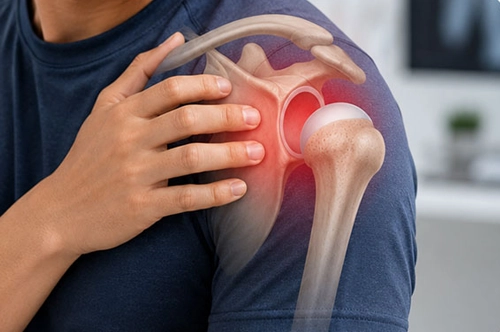
The shoulder is the most mobile joint in the body, allowing for a vast range of motion. However, this flexibility comes at the cost of stability, as the upper arm bone sits in a shallow socket that is naturally susceptible to dislocation.
A dislocation occurs when a sudden force or impact drives the bone entirely out of its socket, causing immediate pain and deformity. Managing this injury effectively is crucial to preventing long-term instability and ensuring a safe return to your daily activities.
Read on as we explore the common causes of shoulder dislocations, how to identify the symptoms, and the various treatment options available to restore joint function.
A dislocation occurs when a sudden force or impact drives the bone entirely out of its socket, causing immediate pain and deformity. Managing this injury effectively is crucial to preventing long-term instability and ensuring a safe return to your daily activities.
Read on as we explore the common causes of shoulder dislocations, how to identify the symptoms, and the various treatment options available to restore joint function.
Common Causes of Shoulder Dislocation
Shoulder dislocations typically occur following a clear triggering event. As the joint depends largely on surrounding muscles, tendons and ligaments for stability, a sudden force or awkward movement can overwhelm these supporting structures and cause the humeral head to shift out of the socket.
Some of the most common causes of a shoulder dislocation include:
Some of the most common causes of a shoulder dislocation include:
Trauma or Accidents
One of the most frequent causes of a dislocated shoulder is a sudden, traumatic blow. This often occurs during contact sports like football, where a tackle or collision forces the shoulder out of position. Aside from traumatic blows, falls are another frequent cause. Landing awkwardly on an outstretched arm, whether from tripping on a pavement or falling off a bicycle, can generate enough force to displace the joint.
Overuse or Repetitive Motion
While less dramatic than a sudden fall, repetitive strain can gradually loosen the ligaments that hold the shoulder in place. This is common in athletes involved in sports requiring overhead motions, such as swimming, tennis or volleyball. Repetitive overhead activities may contribute to shoulder instability in susceptible individuals, particularly those with underlying ligament laxity or previous shoulder injuries.
Weak Shoulder Muscles or Joint Instability
Some individuals are born with naturally looser ligaments, a condition sometimes referred to as generalised joint hypermobility. If the muscles surrounding the shoulder — specifically the rotator cuff — are weak, they cannot effectively compress the ball into the socket during movement. This means that everyday activities, like reaching into the backseat of a car, can potentially trigger a dislocation.
Previous Dislocations
A previous shoulder dislocation increases the risk of future dislocations. The initial injury may stretch or tear stabilising structures such as the ligaments and the labrum, which is the cartilage rim surrounding the socket. If these tissues do not heal adequately, the shoulder may remain unstable and become more prone to recurrent dislocation.
Signs and Symptoms of Shoulder Dislocation
Identifying a dislocated shoulder is usually straightforward due to the intensity of the symptoms. Some of the most common symptoms include:
If you recognise these symptoms, seek immediate medical attention to safely realign the joint and avoid causing further damage through self-manipulation.
- Visible Deformity: The shoulder may appear flattened or “squared” instead of its usual rounded contour. A prominence at the front of the shoulder or a hollow beneath the acromion (bony tip of the shoulder) may be noticeable.
- Severe Pain: Pain is typically immediate and intense. It may radiate down the arm and is often worsened by any attempt to move the shoulder.
- Swelling and Bruising: The joint may swell rapidly, and bruising may develop around the shoulder area.
- Numbness or Tingling: Compression of nearby nerves may cause pins and needles, numbness or weakness in the arm, hand or fingers.
- Muscle Spasms: The surrounding muscles may tighten involuntarily, increasing discomfort.
- Restricted Movement: The arm may feel locked in place, and patients often support it with the opposite hand to limit motion.
If you recognise these symptoms, seek immediate medical attention to safely realign the joint and avoid causing further damage through self-manipulation.
Diagnosis and When to See a Specialist
A professional assessment at a sports orthopaedic clinic is essential to confirm the displacement and identify any secondary damage to the nerves or blood vessels. Your specialist will use a combination of physical assessments and advanced imaging to create a tailored recovery plan.
The diagnostic process typically involves:
The diagnostic process typically involves:
- Clinical History and Assessment: Your doctor will evaluate the mechanism of the injury and check for visible deformity, tenderness, and range of motion. They will also assess nerve and blood vessel function, as these can be affected during a dislocation.
- Stability Testing: If the injury is not acute, specific tests like the "apprehension test" may be used to gauge the joint's stability. These tests are performed carefully to ensure no further irritation occurs while identifying the risk of future dislocations.
- Diagnostic Imaging: X-rays are standard to confirm the joint’s position and rule out fractures. Depending on the injury, an MRI scan may be recommended to evaluate the labrum, ligaments, and tendons for tears, such as a Bankart lesion, which requires specific intervention.
Treatment Options for Shoulder Dislocation
The primary goals of shoulder dislocation treatment are to safely return the bones to their proper positions, reduce pain, and restore function. Your specialist will recommend a specific recovery path based on your age, activity level, and the extent of tissue damage.
Depending on the severity of your injury, your care plan will involve one of the following approaches:
Depending on the severity of your injury, your care plan will involve one of the following approaches:
Non-Surgical Treatment
For first-time dislocations, especially in older patients or those with lower activity demands, non-surgical approaches are often recommended. Some of the areas of this approach include:
- Closed Reduction: This is the process of manipulating the shoulder bone back into the socket. It is typically done in an emergency setting under sedation or a muscle relaxant to minimise pain. Once the shoulder is back in place, severe pain usually subsides almost instantly.
- Immobilisation: After reduction, you will likely wear a sling or splint for a few weeks. This keeps the shoulder still, allowing the torn ligaments and capsule to heal.
- Medication: Over-the-counter pain relievers and anti-inflammatories (NSAIDs) are often recommended to manage pain and reduce swelling during the initial recovery phase.
- Physiotherapy: A physiotherapist will guide you through a structured rehabilitation programme to restore range of motion, strengthen the rotator cuff muscles and improve proprioception, which is the body’s ability to sense joint position. Following your physiotherapy plan consistently helps reduce stiffness and lowers the risk of recurrent dislocation.
Surgical Treatment
Surgery is typically recommended for complex injuries or for individuals who experience recurrent dislocations due to chronic instability. When the labrum or ligaments are significantly torn, such as in a Bankart lesion, surgical intervention is often necessary to ensure the joint remains secure.
Common surgical procedures include:
Common surgical procedures include:
- Arthroscopic Repair: A minimally invasive "keyhole" procedure that uses a small camera and specialised instruments to repair damaged tissue and tighten the shoulder capsule.
- Open Surgery: If there is significant bone loss or more extensive damage to the joint, an open procedure may be recommended to effectively restore long-term stability.
How to Prevent Shoulder Dislocations
While not all injuries are avoidable, proactive measures can significantly reduce the risk of displacement, especially for athletes or those with a history of instability.
To support long-term joint health, consider these preventive strategies:
To support long-term joint health, consider these preventive strategies:
- Strengthening the Rotator Cuff: Use resistance bands for internal and external rotation exercises to build the deep muscles that hold the shoulder in place.
- Improving Scapular Stability: Focus on the muscles around the shoulder blade to ensure the entire shoulder complex moves with proper control and alignment.
- Using Correct Technique: Maintain strict form during weight training and avoid high-risk movements, such as heavy behind-the-neck presses, which places the joint in a vulnerable position.
- Avoiding High-Risk Postures: Be cautious with "stop sign" positions (arm raised and rotated outward) under heavy force, as this is the most common position for a dislocation to occur.
- Wearing Protective Gear: In high-impact contact sports, utilise appropriate padding to help absorb and redistribute sudden forces away from the joint.
Take Control of Your Shoulder Health
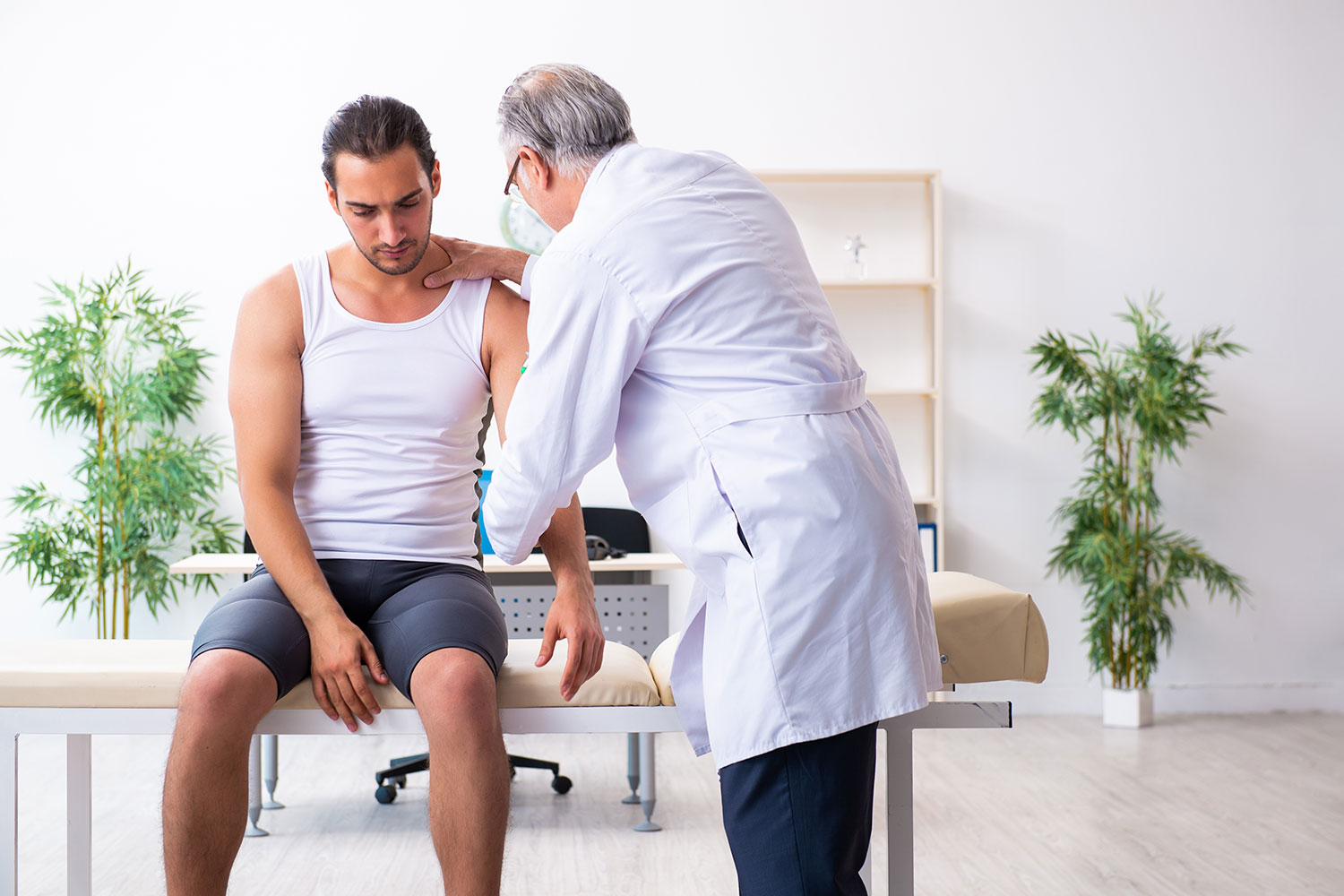
At the end of the day, restoring full function after a shoulder injury requires a balance of expert diagnosis and a structured recovery path. By addressing instability early, you can prevent long-term joint damage and return to your peak physical performance with confidence.
At Axis Sports Injury Clinic, we specialise in the advanced management of shoulder dislocations and chronic instability. Dr Seng Chusheng provides the personalised care and surgical expertise necessary to help you regain shoulder stability and function. If you are experiencing shoulder discomfort or recurrent instability, please contact us to schedule a comprehensive evaluation today.
At Axis Sports Injury Clinic, we specialise in the advanced management of shoulder dislocations and chronic instability. Dr Seng Chusheng provides the personalised care and surgical expertise necessary to help you regain shoulder stability and function. If you are experiencing shoulder discomfort or recurrent instability, please contact us to schedule a comprehensive evaluation today.
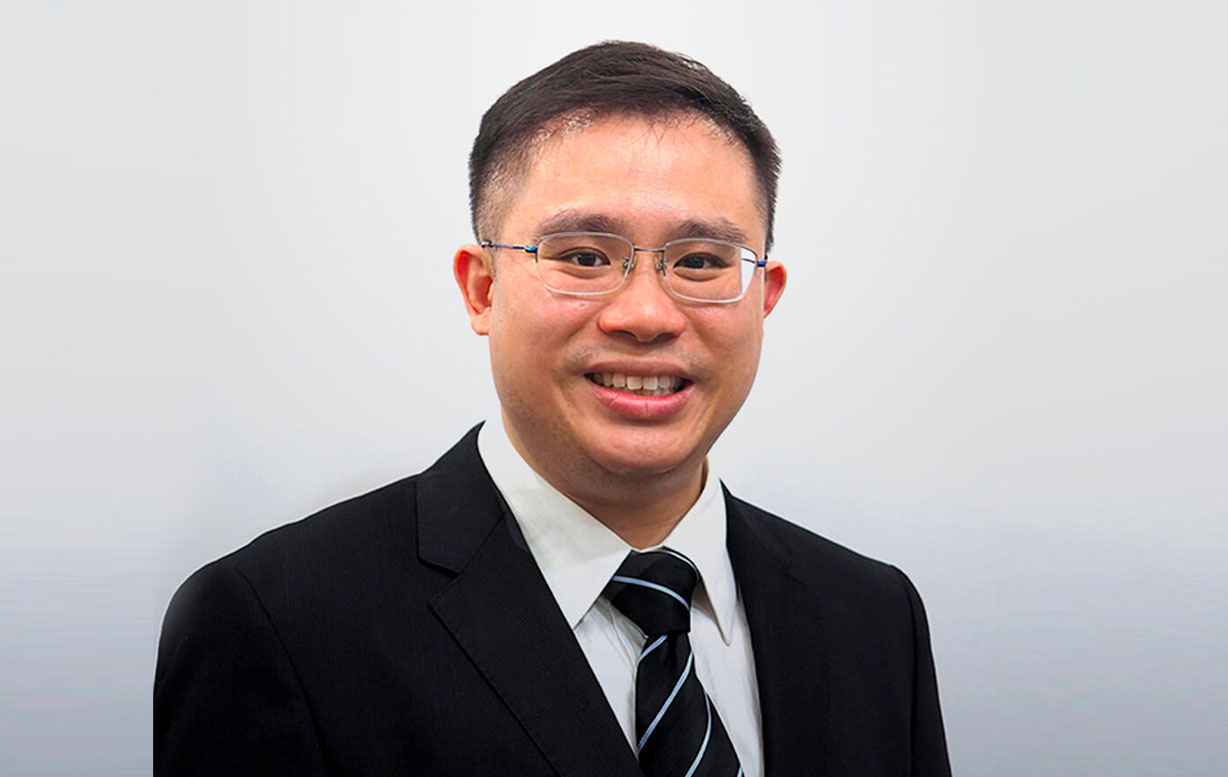
Dr Seng Chusheng
Senior Consultant Orthopaedic Surgeon (Sports & Exercise Medicine) MBBS (Singapore), MRCS (Edinburgh), MMed (Orth), FRCS (Edinburgh)
Dr Seng Chusheng is a sports surgeon in Singapore with more than 10 years of clinical experience. He has performed over a thousand orthopaedic procedures, with a focus on the surgical management of sports-related injuries.
In recognition of his service, Dr Seng received the SingHealth Service With A Heart Award. He has also presented at local, regional and international orthopaedic conferences, including the American Academy of Orthopaedic Surgeons AAOS Annual Scientific Meeting.
Meet Our Sports Injury DoctorIn recognition of his service, Dr Seng received the SingHealth Service With A Heart Award. He has also presented at local, regional and international orthopaedic conferences, including the American Academy of Orthopaedic Surgeons AAOS Annual Scientific Meeting.
At Axis Sports Injury Clinic, supporting our patients in their recovery and regaining of mobility is our top priority.
We warmly welcome patients with sports injuries to experience our customised treatment. Call us at 9711 8888 for same-day or next day consultation!
General Enquiry
Appointment
Contact Info

Mount Elizabeth Novena Medical Centre
38 Irrawaddy Road, #06-33
Singapore 329563
Parkway East Medical Centre
319 Joo Chiat Place, #04-08,
Singapore 427989
Mount Alvernia
Medical Centre A
820 Thomson Road, #03-08,
Singapore 574623

Telephone



Operating Hours
| Mon - Fri | : | 8:30am - 5:30pm |
| Sat | : | 8:30am - 12:30pm |
| Sunday & PH : Closed | ||