
Mount Elizabeth Novena
Medical Centre
38 Irrawaddy Road, #06-33
Singapore 329563Parkway East
Medical Centre
319 Joo Chiat Place, #04-08
Singapore 427989Mount Alvernia
Medical Centre A
820 Thomson Road, #03-08
Singapore 574623


Book an appointment
Home
Our Sports Surgeon
Treatments
Contact Us
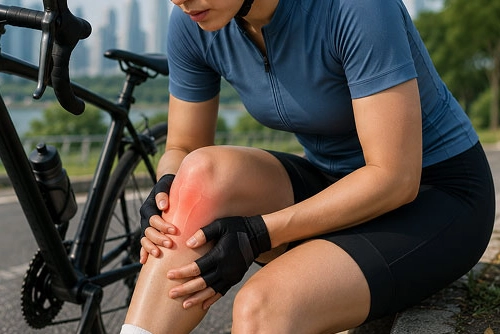
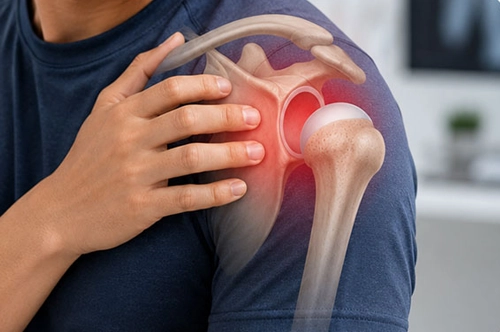
A sports injury specialist has the experience and expertise in guiding you towards the appropriate treatment.
Consult Dr Seng if conservative treatment no longer provides sufficient relief.
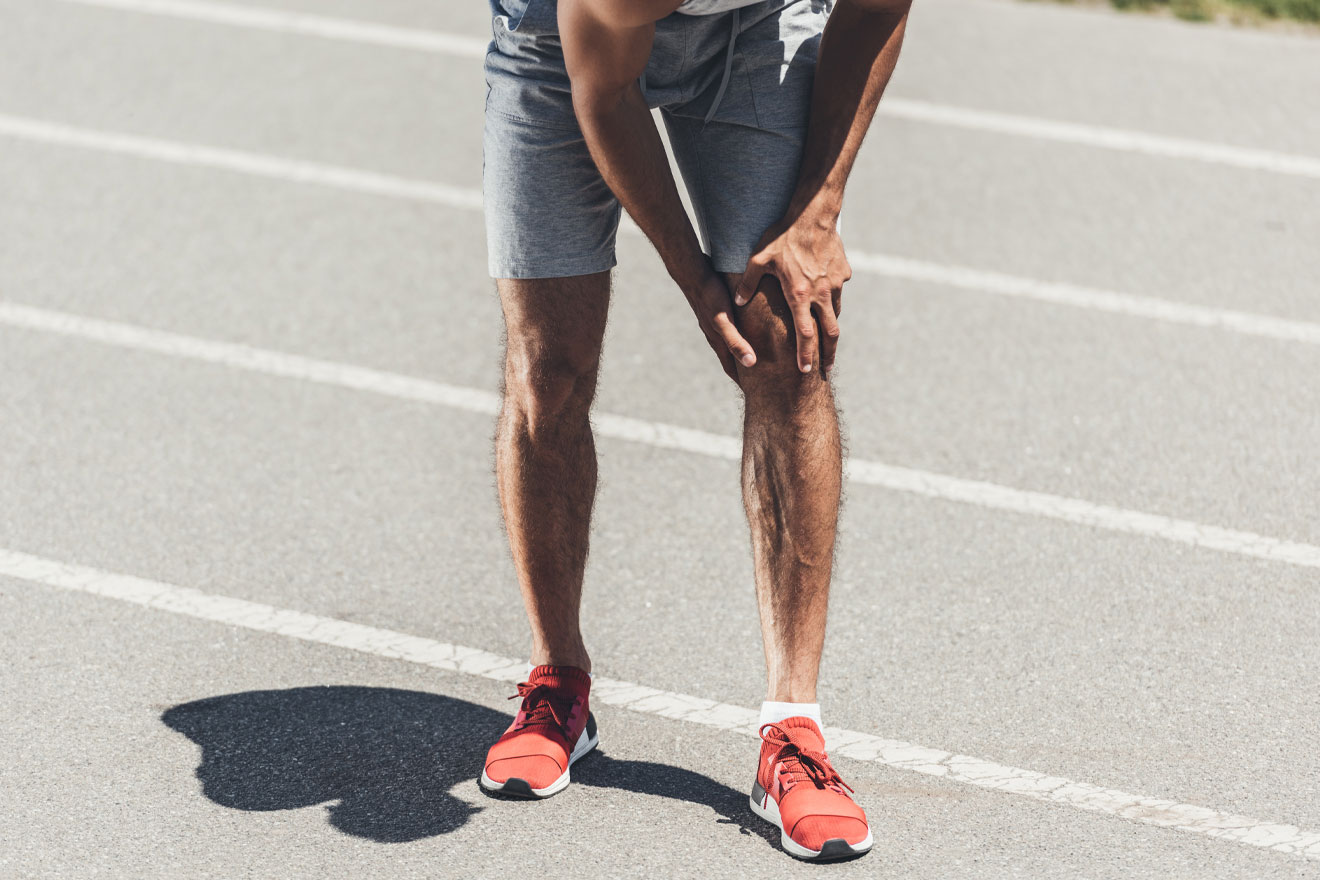
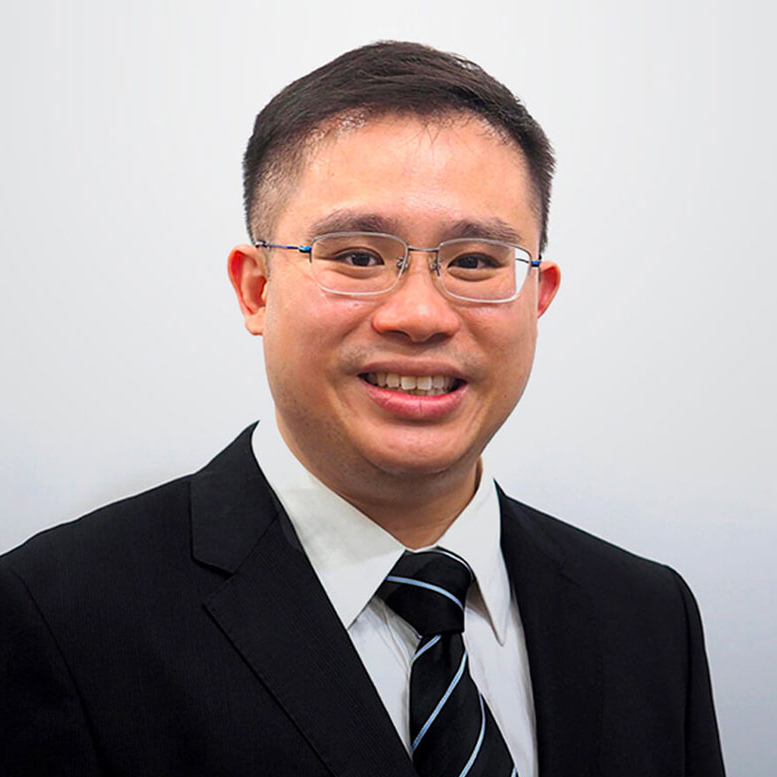
Dr Seng Chusheng
Senior Consultant Orthopaedic Surgeon (Sports & Exercise Medicine)
MBBS (Singapore), MRCS (Edinburgh), MMed (Orth), FRCS (Edinburgh)
Recovering from runner’s knee surgery can feel like a lengthy process, but with the right approach, it is entirely manageable. Patience and a well-structured rehabilitation plan are necessary to get back on your feet and return to the activities that you love.
This guide outlines the five critical phases of post-operative recovery, from immediate clinical care to advanced functional training and long-term injury prevention. By following these evidence-based steps, you can ensure a safe and sustainable return to peak performance.
This guide outlines the five critical phases of post-operative recovery, from immediate clinical care to advanced functional training and long-term injury prevention. By following these evidence-based steps, you can ensure a safe and sustainable return to peak performance.
Step 1: Immediate Post-Surgery Care
The first phase after runner’s knee surgery focuses on controlling pain and swelling while protecting the knee. Your surgeon will provide personalised instructions, which commonly include:
- Rest: Limit movement and avoid weight-bearing activities as advised to allow the knee to begin healing.
- Cold Therapy: Apply ice packs to the knee for 15 to 20 minutes several times a day to reduce swelling and ease discomfort.
- Compression: Wearing an elastic bandage or compression sleeve may help minimise swelling.
- Elevation: Keep your leg elevated above heart level whenever possible to reduce fluid build up.
- Medication: Take prescribed pain relief and anti-inflammatory medication according to your surgeon’s instructions.
- Wound Care: Keep the incision site clean and dry to reduce the risk of infection.
- Early Mobility: Gentle and controlled movements may be introduced to prevent stiffness. Simple exercises, such as ankle pumps, can help improve circulation during this stage.
Step 2: Early Rehabilitation
Once the initial swelling and pain subsides (usually between week 2-6), early rehabilitation can begin under the guidance of a physiotherapist. The goal is to restore the range of motion and gently activate the surrounding muscles without straining the surgical site. This stage often involves:
- Range of Motion Exercises: Gentle bending and straightening of the knee within pain-free limits to improve flexibility and prevent stiffness.
- Isometric Strengthening: These exercises involve tensing muscles without moving the joint. For example, tightening the quadriceps (thigh muscles) and holding the contraction helps to maintain muscle tone.
- Straight Leg Raises: Lying on your back and slowly raising the affected leg helps to strengthen the quadriceps and hip flexors without stressing the knee joint itself.
Step 3: Strengthening Exercises
After runner’s knee surgery, reduced activity often causes the muscles in your thighs, hips, and calves to weaken. Targeted strengthening of these groups is important, as they play a key role in supporting and stabilising the knee joint during movement.
A physiotherapist will guide you through a progressive strengthening programme to rebuild this support without straining the knee. This stage typically includes:
A physiotherapist will guide you through a progressive strengthening programme to rebuild this support without straining the knee. This stage typically includes:
- Low-impact Exercises: Using stationary cycling or swimming to build endurance.
- Resistance Training: Incorporating bands or light weights for leg presses, squats, and lunges.
- Core Strengthening: Improving overall stability and balance to help distribute force evenly.
Step 4: Functional Training
Once your strength and range of motion have been restored, rehabilitation progresses to functional training. This phase focuses on improving neuromuscular control and rebuilding proprioception — your body's sense of balance and joint awareness.
To enhance coordination and stability, your physiotherapist will introduce movements that mimic real-world activity. These typically include:
To enhance coordination and stability, your physiotherapist will introduce movements that mimic real-world activity. These typically include:
- Balance Exercises: Activities such as standing on one leg or using a wobble board to improve joint stability.
- Proprioception Drills: Targeted movements that retrain your awareness of knee position during movement.
- Agility Drills: A gradual introduction of side shuffles, directional changes, and light jumping to prepare for more dynamic activity.
Step 5: Gradual Return to Running
Returning to running is often the most anticipated stage of recovery, but it must be done gradually to minimise the risk of re-injury. Your physiotherapist will guide you through a personalised walk-to-run programme, which uses short running intervals alternated with walking to rebuild endurance safely.
As your knee adapts, you can begin to increase your running volume and intensity in small increments. A common guideline is the 10% rule, where the total training load is increased by no more than 10% per week to avoid placing excessive stress on healing tissues.
As your knee adapts, you can begin to increase your running volume and intensity in small increments. A common guideline is the 10% rule, where the total training load is increased by no more than 10% per week to avoid placing excessive stress on healing tissues.
Preventing Runner’s Knee Recurrence
While recovering from surgery is certainly an important milestone, long-term success also depends on preventing the problem from recurring. This requires a proactive approach to addressing the biomechanical and training factors that originally contributed to the injury.
By focusing on the following key areas, you can build a more resilient foundation and sustain your return to pain-free activity:
By focusing on the following key areas, you can build a more resilient foundation and sustain your return to pain-free activity:
Strengthening Supporting Muscle Groups
Ongoing strength training helps maintain stability around the knee and supports proper alignment during movement. Exercises that target the gluteus medius, quadriceps and core muscles are especially important, as weakness in these areas can increase stress on the patellofemoral joint.
Improving Running Form and Technique
Running mechanics play a major role in knee loading. A physiotherapist can assess your gait and recommend practical adjustments, such as improving cadence or modifying foot strike patterns, to reduce strain on the knee and lower the risk of recurrence.
Using Proper Footwear
Shoes that are worn out or ill-suited to an individual's foot type (e.g., flat feet or high arches) can alter lower limb biomechanics. Selecting shoes that offer appropriate cushioning and support helps absorb impact forces and maintain neutral alignment.
Avoiding Sudden Increases in Training Load
A sudden increase in training load is a common trigger for overuse injuries. To reduce this risk, training volume, intensity and frequency should be increased gradually. Following a structured plan that includes regular rest days also allows the body time to recover and adapt.
Cross-Training for Muscle Balance
Repetitive impact from running can strain the knee. Incorporating low-impact cross-training activities, such as swimming, cycling or elliptical training, maintains cardiovascular fitness while reducing joint load. These activities also engage different muscle groups, promoting overall muscular balance.
Maintaining Healthy Body Weight
The knee joint bears significant load during weight-bearing activities and can experience forces several times a person’s body weight while running. Maintaining a healthy weight helps reduce stress on the patellofemoral joint, which may lower the risk of recurring pain and long-term degenerative changes.
Receive Expert Guidance for Your Recovery Journey
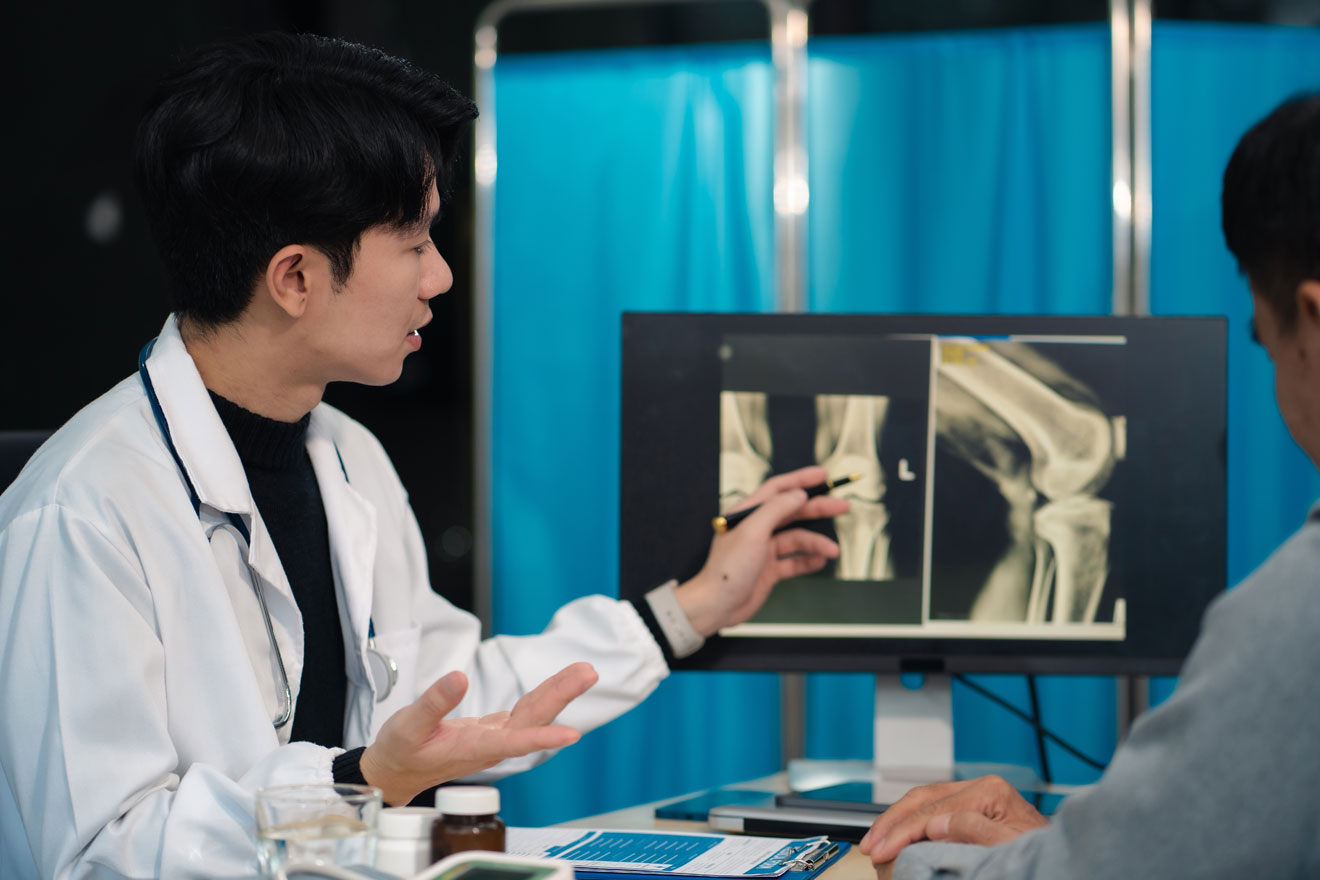
Successfully getting back to your active routine after knee surgery requires balancing personal discipline with professional clinical expertise. By following a structured rehabilitation plan and addressing biomechanical factors, you can transition back to high-level activity with a lower risk of recurrence.
At Axis Sports Injury Clinic, we specialise in helping athletes navigate the complexities of post-operative care. Dr Seng Chusheng provides the personalised surgical and rehabilitative oversight needed to ensure your recovery is both safe and sustainable. If you are ready to return to the activities you love, please reach out to our team to schedule an appointment today.
At Axis Sports Injury Clinic, we specialise in helping athletes navigate the complexities of post-operative care. Dr Seng Chusheng provides the personalised surgical and rehabilitative oversight needed to ensure your recovery is both safe and sustainable. If you are ready to return to the activities you love, please reach out to our team to schedule an appointment today.
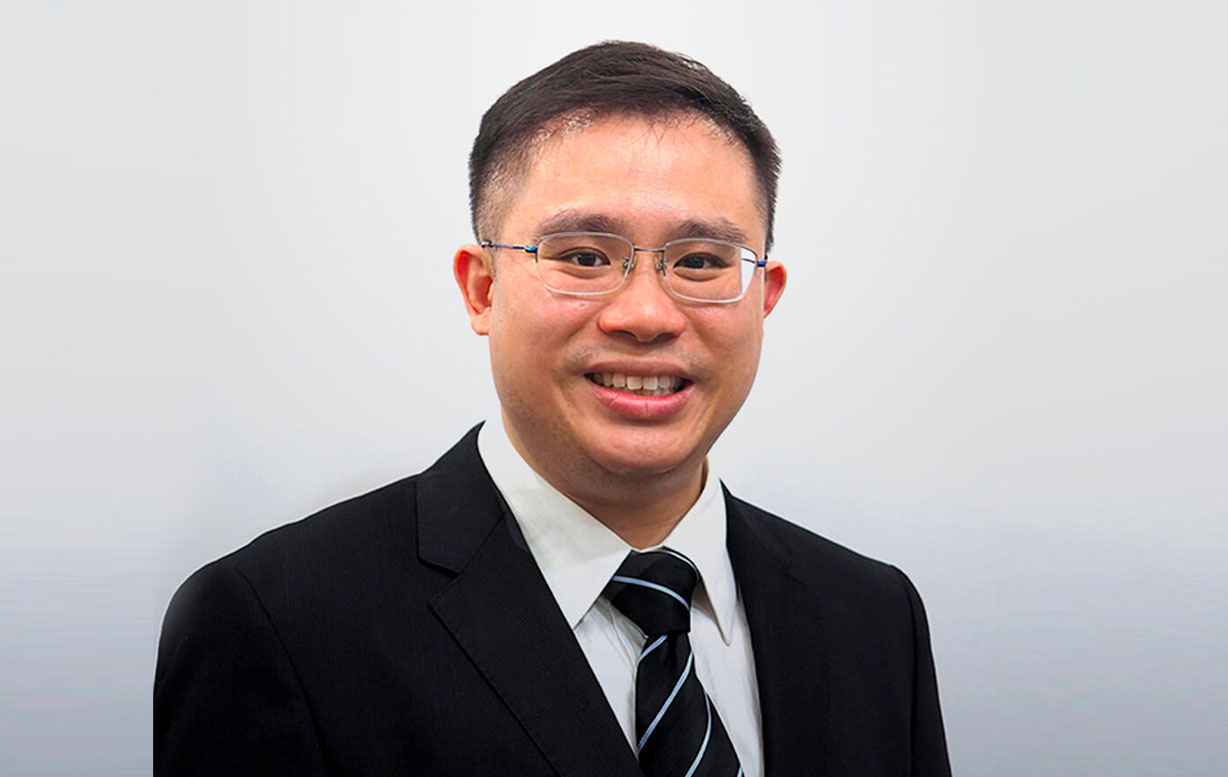
Dr Seng Chusheng
Senior Consultant Orthopaedic Surgeon (Sports & Exercise Medicine) MBBS (Singapore), MRCS (Edinburgh), MMed (Orth), FRCS (Edinburgh)
Dr Seng Chusheng is a sports surgeon in Singapore with more than 10 years of clinical experience. He has performed over a thousand orthopaedic procedures, with a focus on the surgical management of sports-related injuries.
In recognition of his service, Dr Seng received the SingHealth Service With A Heart Award. He has also presented at local, regional and international orthopaedic conferences, including the American Academy of Orthopaedic Surgeons AAOS Annual Scientific Meeting.
Meet Our Sports Injury DoctorIn recognition of his service, Dr Seng received the SingHealth Service With A Heart Award. He has also presented at local, regional and international orthopaedic conferences, including the American Academy of Orthopaedic Surgeons AAOS Annual Scientific Meeting.
At Axis Sports Injury Clinic, supporting our patients in their recovery and regaining of mobility is our top priority.
We warmly welcome patients with sports injuries to experience our customised treatment. Call us at 9711 8888 for same-day or next day consultation!
General Enquiry
Appointment
Contact Info

Mount Elizabeth Novena Medical Centre
38 Irrawaddy Road, #06-33
Singapore 329563
Parkway East Medical Centre
319 Joo Chiat Place, #04-08,
Singapore 427989
Mount Alvernia
Medical Centre A
820 Thomson Road, #03-08,
Singapore 574623

Telephone



Operating Hours
| Mon - Fri | : | 8:30am - 5:30pm |
| Sat | : | 8:30am - 12:30pm |
| Sunday & PH : Closed | ||