
Mount Elizabeth Novena
Medical Centre
38 Irrawaddy Road, #06-33
Singapore 329563Parkway East
Medical Centre
319 Joo Chiat Place, #04-08
Singapore 427989Mount Alvernia
Medical Centre A
820 Thomson Road, #03-08
Singapore 574623


Book an appointment
Home
Our Sports Surgeon
Treatments
Contact Us
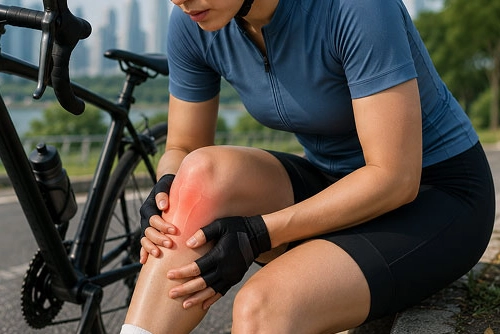
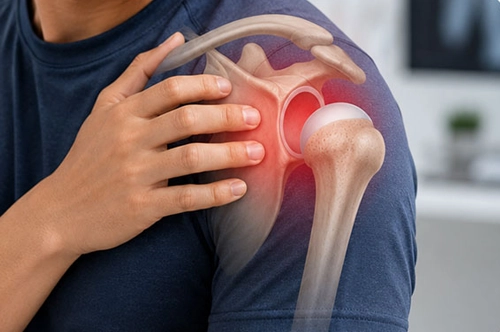
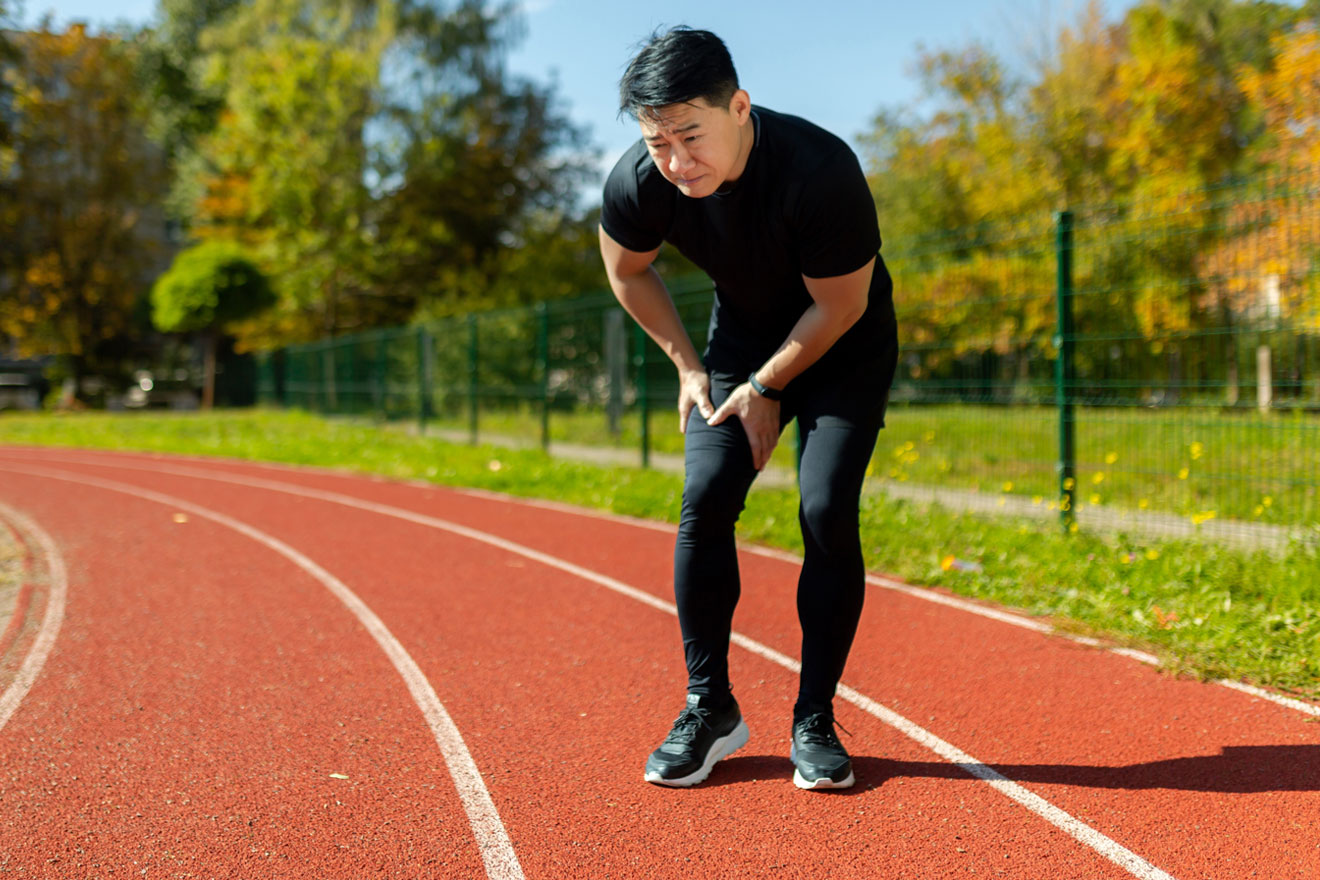
A sports injury specialist has the experience and expertise in guiding you towards the appropriate treatment.
Consult Dr Seng if conservative treatment no longer provides sufficient relief.
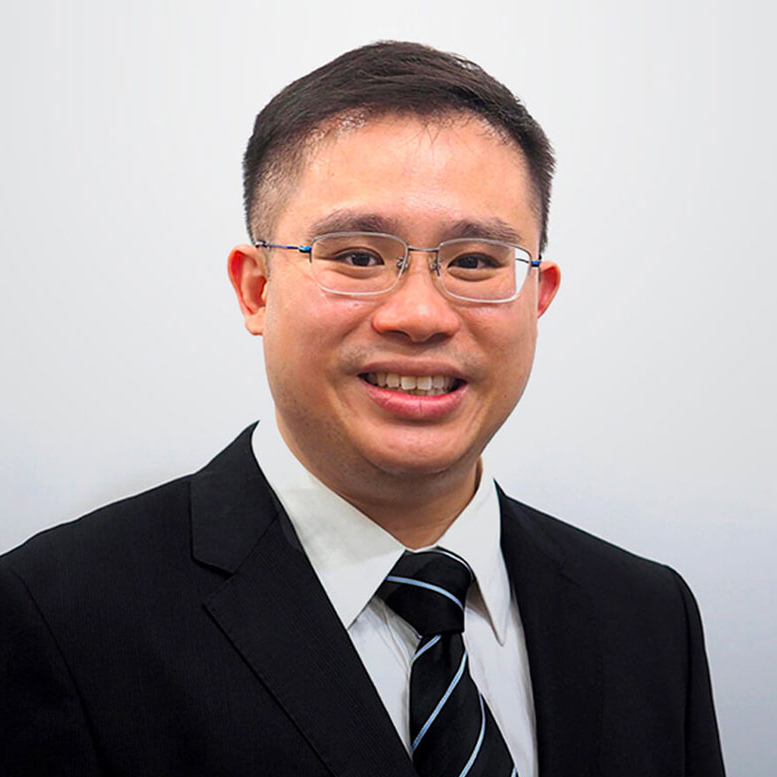
Dr Seng Chusheng
Senior Consultant Orthopaedic Surgeon (Sports & Exercise Medicine)
MBBS (Singapore), MRCS (Edinburgh), MMed (Orth), FRCS (Edinburgh)
While participating in sports and physical activity is essential for long-term health, it carries an inherent risk of musculoskeletal injury. These injuries typically occur due to cumulative overuse, sudden blunt impact, or mechanical forces that exceed a joint's limits. Whether a mild ligament sprain or a complex fracture, these setbacks can affect athletes across all levels of competition.
Fortunately, a significant proportion of these injuries are avoidable through proactive management. By identifying the common injury patterns and adopting evidence-based prevention strategies, you can effectively mitigate the risk while sustaining peak physical performance.
Fortunately, a significant proportion of these injuries are avoidable through proactive management. By identifying the common injury patterns and adopting evidence-based prevention strategies, you can effectively mitigate the risk while sustaining peak physical performance.
Common Sports Injuries
Sports-related trauma is generally classified by its onset: acute or chronic.
Acute conditions result from sudden, high-impact incidents — such as a fall, collision, or awkward landing — where symptoms manifest immediately. In contrast, chronic or overuse injuries develop gradually through repetitive stress on muscles, tendons, or bones. Without adequate recovery, this persistent strain can lead to long-term discomfort and functional limitations.
Some of the most common clinical conditions in Singapore include:
Acute conditions result from sudden, high-impact incidents — such as a fall, collision, or awkward landing — where symptoms manifest immediately. In contrast, chronic or overuse injuries develop gradually through repetitive stress on muscles, tendons, or bones. Without adequate recovery, this persistent strain can lead to long-term discomfort and functional limitations.
Some of the most common clinical conditions in Singapore include:
Sprains and Strains
A sprain involves the stretching or tearing of ligaments, the fibrous tissue that connects bones at a joint. A strain, on the other hand, is an injury to a muscle or a tendon (the tissue connecting muscle to bone). Both conditions are typically caused by overstretching or excessive force applied to the tissue.
Fractures
A fracture is a break in the bone’s continuity, occurring either through sudden trauma or progressive wear. Acute fractures result from high-impact events like collisions or falls, where immediate force exceeds the bone's strength. In contrast, stress fractures develop gradually from repetitive mechanical strain, leading to microscopic cracks over time.
Tendonitis
Tendonitis is the inflammation or irritation of a tendon, most commonly caused by repetitive movements without sufficient recovery. It often affects areas that are repeatedly used during sport, such as the elbow (tennis elbow), the shoulder (swimmer’s shoulder) and the knee (jumper’s knee).
Dislocations
A joint dislocation occurs when the bones forming a joint are forced out of their normal alignment. This injury is more common in contact sports and may cause visible deformity, severe pain and difficulty moving the affected joint. The shoulder and fingers are among the most commonly affected areas.
Rotator Cuff Injuries
The rotator cuff consists of muscles and tendons that stabilise the shoulder, keeping the upper arm bone securely within its socket. Injuries often occur through sudden trauma or progressive overuse, resulting in persistent pain and muscle weakness. These are particularly common in sports involving repetitive overhead movements, such as tennis or swimming.
Key Strategies to Prevent Sports Injuries
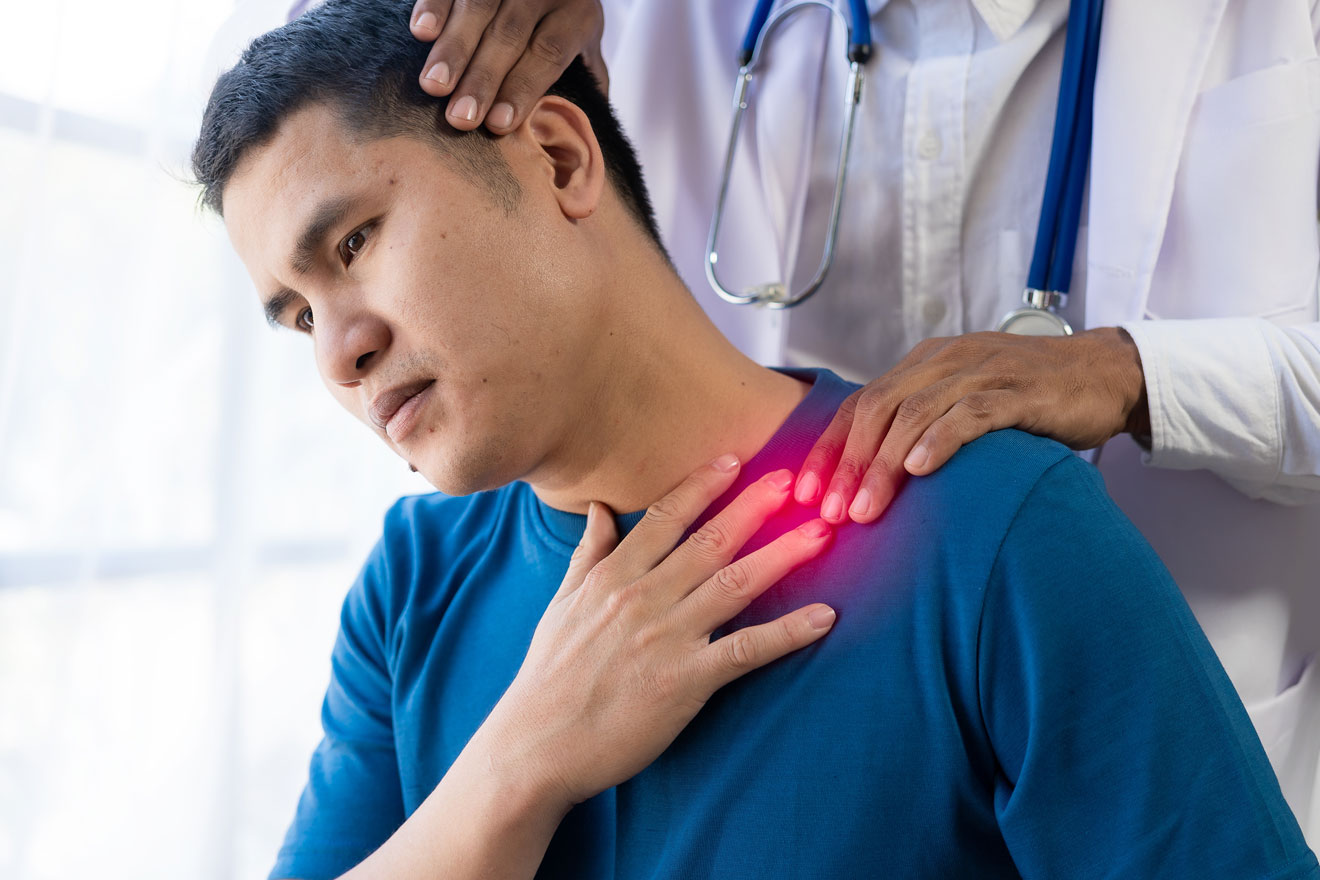
Adopting a proactive approach to physical conditioning is one of the most effective ways to safeguard your athletic longevity. By incorporating these strategies into your routine, you can significantly mitigate injury risks and maintain a consistent level of performance:
Proper Warm-Up and Cool-Down
A structured warm-up prepares the body for physical activity by increasing blood flow and improving joint flexibility. This should include 5 to 10 minutes of light aerobic exercise, such as jogging or cycling, followed by dynamic movements like leg swings or arm circles.
Equally important is the cool-down, which allows the body to return to its resting state gradually. Transitioning into 5 to 10 minutes of slower movement, such as walking, followed by gentle stretching, helps reduce muscle soreness and effectively supports long-term recovery.
Equally important is the cool-down, which allows the body to return to its resting state gradually. Transitioning into 5 to 10 minutes of slower movement, such as walking, followed by gentle stretching, helps reduce muscle soreness and effectively supports long-term recovery.
Use Correct Equipment and Gear
Appropriate gear is a critical line of defence against injury. Footwear should be sport-specific to ensure adequate support, traction, and cushioning; using worn-out shoes often leads to preventable overuse injuries like shin splints or stress fractures.
Beyond footwear, protective equipment such as helmets, shin guards, and padding is essential for absorbing impact and shielding vulnerable areas. To remain effective, all gear must be well-maintained and replaced at the first sign of wear. Proper fit is equally vital, as ill-fitting equipment significantly reduces protection and can inadvertently increase injury risk.
Beyond footwear, protective equipment such as helmets, shin guards, and padding is essential for absorbing impact and shielding vulnerable areas. To remain effective, all gear must be well-maintained and replaced at the first sign of wear. Proper fit is equally vital, as ill-fitting equipment significantly reduces protection and can inadvertently increase injury risk.
Strength and Conditioning
A well-rounded strength and conditioning programme builds a resilient body better equipped to handle the physical demands of sport. By strengthening the muscles that support your joints, you improve their ability to absorb the shock of high-impact activities.
Additionally, addressing muscle imbalances ensures that forces are distributed evenly across the kinetic chain, effectively preventing overuse injuries. Core stability is particularly vital in this process, as it provides the foundational support for the spine and pelvis during dynamic movement.
Additionally, addressing muscle imbalances ensures that forces are distributed evenly across the kinetic chain, effectively preventing overuse injuries. Core stability is particularly vital in this process, as it provides the foundational support for the spine and pelvis during dynamic movement.
Maintain Proper Technique
Technical precision is fundamental to injury prevention, ensuring that physical loads are absorbed by the intended muscles rather than stressing vulnerable joints and ligaments. Maintaining proper form — whether lifting, running, or swinging a racket — is essential for protecting the body’s structural integrity.
Aside from the above, consulting a qualified trainer or sports injury specialist can help you master these movement patterns. Their expertise ensures that every motion contributes to performance efficiency rather than cumulative strain.
Aside from the above, consulting a qualified trainer or sports injury specialist can help you master these movement patterns. Their expertise ensures that every motion contributes to performance efficiency rather than cumulative strain.
Prevent Sporting Injuries With Dr Seng Chusheng
Ultimately, a sustainable return to sport requires balancing rigorous training with strategic rest to allow for essential tissue repair. When persistent pain or fatigue occurs, transitioning from self-management to professional clinical oversight is the most effective way to prevent long-term injury.
At Axis Sports Injury Clinic, we provide the specialised care needed to bridge the gap between injury and peak performance. Dr Seng Chusheng offers expert diagnostic and surgical solutions tailored to the unique demands of your sport. If you are ready to explore our array of comprehensive sports injury treatments, please contact our team to schedule an appointment today.
At Axis Sports Injury Clinic, we provide the specialised care needed to bridge the gap between injury and peak performance. Dr Seng Chusheng offers expert diagnostic and surgical solutions tailored to the unique demands of your sport. If you are ready to explore our array of comprehensive sports injury treatments, please contact our team to schedule an appointment today.
Frequently Asked Questions About Sporting Injuries
When should I visit a sports injury clinic?
How long is the recovery from a sports injury?
Are wearable devices useful in preventing sports injuries?
Are there specific sports more prone to injuries?
Does stretching really help prevent injuries?
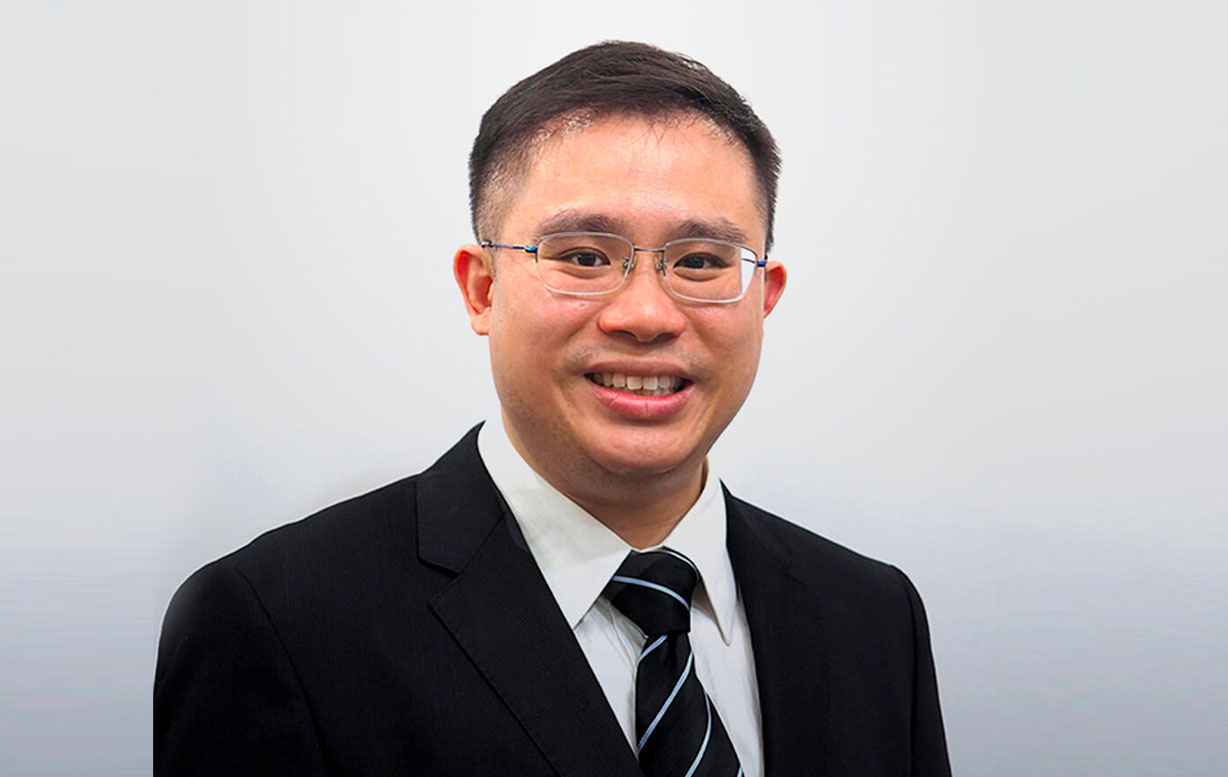
Dr Seng Chusheng
Senior Consultant Orthopaedic Surgeon (Sports & Exercise Medicine) MBBS (Singapore), MRCS (Edinburgh), MMed (Orth), FRCS (Edinburgh)
Dr Seng Chusheng is a sports surgeon in Singapore with more than 10 years of clinical experience. He has performed over a thousand orthopaedic procedures, with a focus on the surgical management of sports-related injuries.
In recognition of his service, Dr Seng received the SingHealth Service With A Heart Award. He has also presented at local, regional and international orthopaedic conferences, including the American Academy of Orthopaedic Surgeons AAOS Annual Scientific Meeting.
Meet Our Sports Injury DoctorIn recognition of his service, Dr Seng received the SingHealth Service With A Heart Award. He has also presented at local, regional and international orthopaedic conferences, including the American Academy of Orthopaedic Surgeons AAOS Annual Scientific Meeting.
At Axis Sports Injury Clinic, supporting our patients in their recovery and regaining of mobility is our top priority.
We warmly welcome patients with sports injuries to experience our customised treatment. Call us at 9711 8888 for same-day or next day consultation!
General Enquiry
Appointment
Contact Info

Mount Elizabeth Novena Medical Centre
38 Irrawaddy Road, #06-33
Singapore 329563
Parkway East Medical Centre
319 Joo Chiat Place, #04-08,
Singapore 427989
Mount Alvernia
Medical Centre A
820 Thomson Road, #03-08,
Singapore 574623

Telephone



Operating Hours
| Mon - Fri | : | 8:30am - 5:30pm |
| Sat | : | 8:30am - 12:30pm |
| Sunday & PH : Closed | ||