
Mount Elizabeth Novena
Medical Centre
38 Irrawaddy Road, #06-33
Singapore 329563Parkway East
Medical Centre
319 Joo Chiat Place, #04-08
Singapore 427989Mount Alvernia
Medical Centre A
820 Thomson Road, #03-08
Singapore 574623


Book an appointment
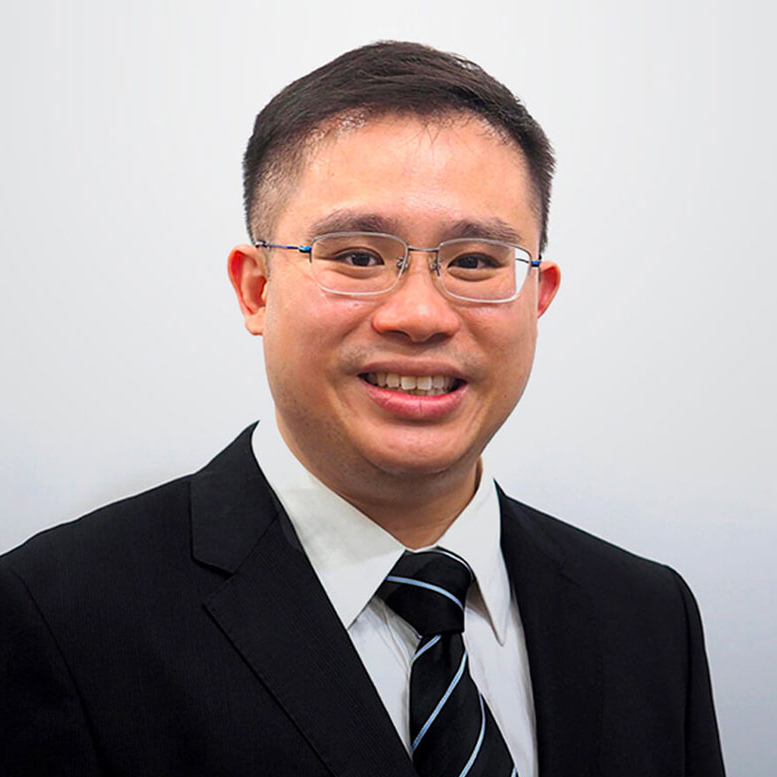
Dr Seng Chusheng
Consultant Orthopaedic Surgeon
MBBS (Singapore), MRCS (Edinburgh), MMed (Orth), FRCS (Edinburgh)
From weekend football games to competitive running events and marathons, Singapore's passion for sports and fitness is evident everywhere. However, with increased activity comes the risk of injury. For both professional and amateur athletes alike, an injury can be a significant setback, affecting not just physical performance but also your mental well-being.
When an injury occurs, navigating the path back to the field involves more than just rest; it requires a structured journey of specialist diagnosis, targeted surgical intervention where necessary, and a milestone-based rehabilitation programme designed to restore peak performance safely.
When an injury occurs, navigating the path back to the field involves more than just rest; it requires a structured journey of specialist diagnosis, targeted surgical intervention where necessary, and a milestone-based rehabilitation programme designed to restore peak performance safely.
The Importance of Sports Medicine
Sports medicine is a dedicated field focused on the prevention, diagnosis, and treatment of injuries sustained during physical activity. Unlike general care, this discipline prioritises the biomechanical demands of athletes, ensuring that early and accurate intervention from a sports medicine doctor prevents an acute injury from becoming a chronic problem.
What Sports Surgeons Actually Do
Sports surgeons are orthopaedic doctors with expertise in treating injuries affecting the musculoskeletal system, which includes bones, joints, muscles and ligaments. They are trained to manage a range of sports-related conditions, from simple sprains to complex fractures and ligament tears. Their primary goal extends beyond simple healing; they aim to ensure performance sustainability and long-term joint preservation.
Sports surgeons often collaborate closely with a multidisciplinary team, including physiotherapists, sports trainers and other specialists. This comprehensive approach addresses every aspect of an athlete's recovery while tailoring the rehabilitation process to their specific sporting goals.
Sports surgeons often collaborate closely with a multidisciplinary team, including physiotherapists, sports trainers and other specialists. This comprehensive approach addresses every aspect of an athlete's recovery while tailoring the rehabilitation process to their specific sporting goals.
Common Sports Surgeries in Singapore
Some of the most common sports surgeries performed in Singapore include:
Arthroscopic Surgery
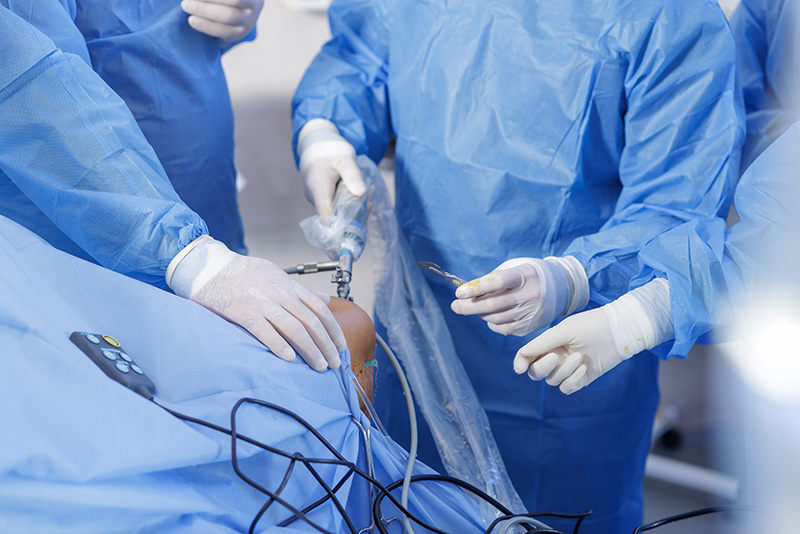
Arthroscopy is a minimally invasive procedure that allows surgeons to examine and treat joint problems without making a large incision. A small camera called an arthroscope is inserted into the joint, allowing specialised instruments to repair damaged tissue.
It is commonly performed on the knee, shoulder and hip, and is often associated with less pain, smaller scars and faster recovery compared to open surgery.
It is commonly performed on the knee, shoulder and hip, and is often associated with less pain, smaller scars and faster recovery compared to open surgery.
Fracture Repair Surgery
A fracture or broken bone often requires surgery to ensure it heals in the correct position. During fracture repair surgery, the surgeon realigns the broken bone fragments and stabilises them using plates, screws or rods.
Rotator Cuff Repair Surgery
The rotator cuff is a group of muscles and tendons in the shoulder that can tear due to overuse or sudden injury, common in sports like tennis and swimming. Rotator cuff repair surgery involves reattaching the torn tendon to the head of the humerus (upper arm bone).
Anterior Cruciate Ligament (ACL) Reconstruction Surgery
An ACL tear is a common and often serious injury for athletes in sports involving sudden stops and changes in direction, like football or basketball. ACL reconstruction involves replacing the torn ligament with a graft, which can be taken from the patient's own body (autograft) or a donor (allograft).
Joint Replacement Surgery
While more common in older adults due to arthritis, joint replacement surgery may be necessary for some athletes who have severe joint damage from a chronic injury. This procedure involves removing the damaged parts of a joint and replacing them with an artificial implant or prosthesis to relieve pain and restore function.
The Road to Recovery
Surgery is often only the first step in returning to sport. Recovery takes time and requires discipline and patience. A comprehensive, personalised rehabilitation plan is usually developed to guide the athlete through each stage of recovery and support a safe return to the field.
This plan usually progresses through the following structured phases:
This plan usually progresses through the following structured phases:
- Physiotherapy: A guided exercise programme aimed at restoring range of motion, reducing swelling and preventing stiffness in the early stages of recovery.
- Strength Training: As healing advances, targeted exercises are introduced to rebuild muscle strength and improve stability around the affected joint or bone.
- Progress Monitoring: The rehabilitation programme is regularly reviewed and adjusted based on the athlete’s recovery progress, clinical findings and feedback.
Post-Surgery Care
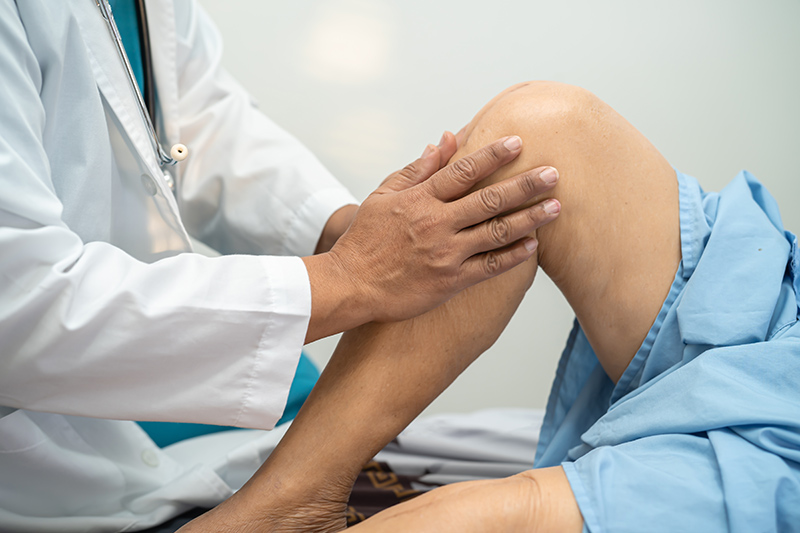
Regular follow-up appointments with the sports surgeon are necessary for monitoring the healing process. During these visits, the surgeon assesses the stability of the surgical repair, checks for any complications, and adjusts the rehabilitation plan as needed.
Before clearing an athlete to return to activity, the following milestones are also assessed by the residing sports surgeon:
Before clearing an athlete to return to activity, the following milestones are also assessed by the residing sports surgeon:
- Clinical Assessment: The athlete should be able to perform training activities without significant pain, swelling or joint instability. A stable and symptom-free joint is essential before progressing further.
- Strength Testing: The injured limb is evaluated and compared with the uninjured side. In most cases, strength should recover to approximately 90% of the opposite limb before a return to sport is considered.
- Functional Testing: The athlete must successfully complete sport-specific tasks, such as hop tests, balance assessments or agility drills. These tests demonstrate control, coordination and readiness for dynamic movement.
Returning to Sport with Dr Seng Chusheng
Ultimately, the journey from a sports injury back to the field is defined by more than just time; it is defined by the quality of the clinical milestones you reach along the way. Achieving a safe, sustainable return to peak performance requires a professional environment where surgical precision and functional rehabilitation are seamlessly integrated.
At Axis Sports Injury Clinic, we are committed to helping you get back in the game. Dr Seng Chusheng provides the specialised expertise needed to navigate your specific recovery journey. If you are ready to begin your rehabilitation, please contact our team to book an appointment.
At Axis Sports Injury Clinic, we are committed to helping you get back in the game. Dr Seng Chusheng provides the specialised expertise needed to navigate your specific recovery journey. If you are ready to begin your rehabilitation, please contact our team to book an appointment.
Dr Seng Chusheng
Consultant Orthopaedic Surgeon MBBS(Singapore), MRCS (Edinburgh), MMed (Orth), FRCS (Edinburgh)
Dr Seng Chusheng is a sports surgeon in Singapore with more than 10 years of clinical experience. He has performed over a thousand orthopaedic procedures, with a focus on the surgical management of sports-related injuries.
In recognition of his service, Dr Seng received the SingHealth Service With A Heart Award. He has also presented at local, regional and international orthopaedic conferences, including the American Academy of Orthopaedic Surgeons AAOS Annual Scientific Meeting.
In recognition of his service, Dr Seng received the SingHealth Service With A Heart Award. He has also presented at local, regional and international orthopaedic conferences, including the American Academy of Orthopaedic Surgeons AAOS Annual Scientific Meeting.
At Axis Orthopaedic Centre, supporting our patients in their recovery and regaining of mobility is our top priority.
We warmly welcome patients with sports injuries to experience our customised treatment. Call us at 9711 8888 for same-day or next day consultation!
Contact Info

Mount Elizabeth Novena Medical Centre
38 Irrawaddy Road, #06-33
Singapore 329563
Parkway East Medical Centre
319 Joo Chiat Place, #04-08,
Singapore 427989
Mount Alvernia
Medical Centre A
820 Thomson Road, #03-08,
Singapore 574623

Telephone



Operating Hours
| Mon - Fri | : | 8:30am - 5:30pm |
| Sat | : | 8:30am - 12:30pm |
| Sunday & PH : Closed | ||